
How to Use VPNs to Stay Secure Online?
Learn how to use VPNs effectively to protect your online privacy, secure your data, and stay anonymous on the internet. This detailed guide covers everything from how VPNs work, to tips for choosing the right VPN service, and how to enhance your digital safety.
Introduction
In today’s world, where nearly every aspect of our lives is connected to the internet, online privacy has become more important than ever. From social media to banking, every action we take leaves a digital footprint. Unfortunately, cybercriminals and data trackers constantly seek ways to exploit personal information. This is where Virtual Private Networks, or VPNs, play a vital role. VPNs help you stay secure online by encrypting your data and hiding your real location, making it difficult for anyone to trace your activities.
What Is a VPN and How Does It Work?
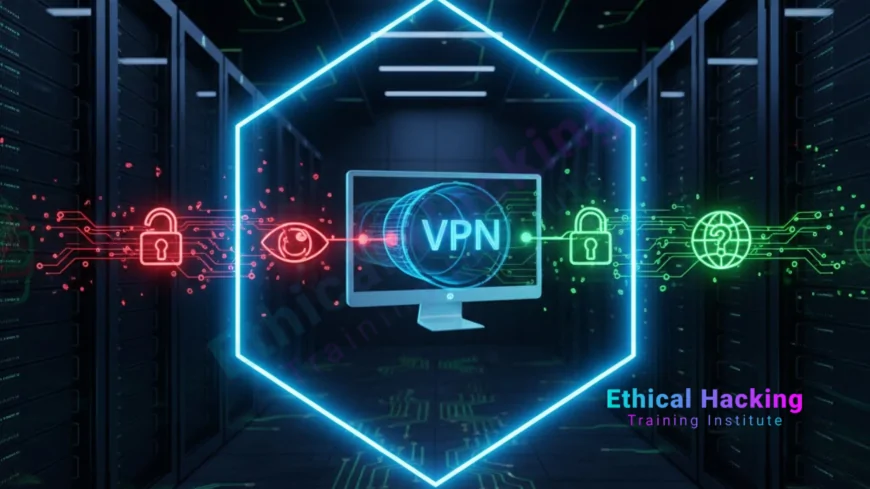
A Virtual Private Network (VPN) creates a secure tunnel between your device and the internet. It masks your IP address, encrypts your data, and routes it through a secure server located elsewhere. This means that even if someone intercepts your traffic, they cannot see what you are doing online. VPNs are used by individuals and businesses to protect sensitive information, maintain privacy, and bypass geo-restrictions.
For example, if you connect to a public Wi-Fi network in a café, a VPN ensures that your personal data, such as passwords and emails, remain encrypted and secure from hackers. It’s like creating a private, invisible network just for you — even on shared connections. Learn more about advanced tools that enhance cybersecurity in this AI hacking tools guide.
Why Using a VPN Is Important
VPNs offer multiple layers of protection. They hide your online identity, prevent data theft, and secure your connection even on unsecured networks. Additionally, VPNs can help you access content that might be restricted in certain countries. This makes them valuable not only for privacy but also for digital freedom.
Without a VPN, your internet service provider (ISP) can monitor your browsing habits and even sell that information to advertisers. By encrypting your data, VPNs make such tracking nearly impossible, keeping your browsing activity private. You can also explore how AI impacts cybersecurity through this AI and hacking insights article.
Types of VPNs and Their Uses
There are several types of VPNs available, each with specific uses. The most common ones include:
- Remote Access VPNs: Commonly used by individuals to connect securely to the internet from any location.
- Site-to-Site VPNs: Used by businesses to connect networks from multiple offices securely.
- Client-Based VPNs: Require users to install software to establish a secure connection.
| Type | Use Case | Security Level |
|---|---|---|
| Remote Access VPN | Individual users connecting to public networks | High |
| Site-to-Site VPN | Connecting multiple office networks | Very High |
| Client-Based VPN | Requires installation for personal or business use | High |
If you’re serious about cybersecurity, consider starting with professional training such as the best ethical hacking certification programs that teach VPN configuration and protection strategies.
How to Choose the Right VPN
Selecting the right VPN service can make all the difference in your online security. Here are a few points to consider:
- Choose a VPN with strong encryption (AES-256 or higher).
- Ensure the provider has a strict no-log policy.
- Look for servers in multiple countries to ensure faster access.
- Test the VPN’s speed and reliability.
There are many reliable providers that cater to beginners, making setup and usage straightforward. You can expand your learning journey with a comprehensive hacking course that covers VPNs and encryption.
Best Practices When Using a VPN
Even with a VPN, following good online habits is crucial. Always update your VPN software, avoid using free VPNs that collect user data, and enable the kill switch feature if available. This feature disconnects your internet if the VPN connection drops, ensuring no data leaks.
Another important practice is to combine VPN usage with strong passwords and regular device updates. You can enhance your cybersecurity career understanding through this ethical hacking career guide.
Using VPNs on Different Devices
VPNs are compatible with various devices, including laptops, smartphones, tablets, and even smart TVs. Many VPN providers offer apps for all major operating systems, making it easy to secure multiple devices with a single subscription. Some VPNs also allow router-level installation to protect all connected devices simultaneously.
If you want to practice setting up VPNs and test configurations safely, check out the complete hacking course designed for all levels of learners.
Advantages and Limitations of VPNs
While VPNs provide strong privacy and encryption, they do have limitations. A VPN can slow down your connection slightly due to encryption overhead. Moreover, some countries restrict VPN usage. Despite these minor drawbacks, VPNs remain one of the most effective tools for protecting online privacy.
To understand how VPNs fit into larger cybersecurity practices, you can explore this ethical hacking course guide.
Conclusion
VPNs have become essential for anyone who values online privacy and data protection. They are easy to use, affordable, and highly effective in preventing cyber threats. Whether you are browsing on public Wi-Fi or managing confidential work files, a VPN adds an extra shield of protection. Pairing VPN usage with secure passwords, software updates, and cautious browsing habits ensures maximum safety in the digital world. Start using a VPN today and take control of your online security.
Frequently Asked Questions
What does a VPN actually do?
A VPN encrypts your internet connection and hides your IP address, making your online activities private and secure.
Is it legal to use VPNs?
Yes, VPNs are legal in most countries. However, always check your local laws before using one.
Can VPNs protect me from hackers?
VPNs protect your data from interception, but they cannot stop all forms of hacking. Combine them with antivirus software for best results.
Do VPNs make internet slower?
Yes, encryption can cause a small speed reduction, but top VPNs minimize this effect.
Are free VPNs safe to use?
Most free VPNs collect and sell your data. It’s safer to invest in a reputable paid VPN.
Can VPNs hide my browsing history?
Yes, VPNs prevent ISPs and hackers from viewing your browsing history.
What is the best VPN for beginners?
VPNs like NordVPN, ExpressVPN, and ProtonVPN are great options for beginners.
Do VPNs work on mobile devices?
Yes, most VPNs offer mobile apps for both Android and iOS.
Can VPNs unblock websites?
Yes, VPNs can bypass geo-restrictions and unblock websites.
Is it safe to use VPN on public Wi-Fi?
Absolutely. VPNs are the best way to secure your data on public networks.
Can VPNs stop phishing attacks?
No, VPNs cannot prevent phishing attacks. Always avoid clicking suspicious links.
Do I need antivirus if I have a VPN?
Yes, VPNs and antivirus serve different purposes. Use both for full protection.
Does VPN usage affect online gaming?
VPNs can help reduce lag and protect against DDoS attacks in gaming.
Can I use VPNs for streaming?
Yes, many VPNs unblock streaming platforms and enhance your viewing privacy.
Should I always keep my VPN on?
Yes, keeping your VPN on ensures continuous protection and privacy.
What's Your Reaction?
 Like
0
Like
0
 Dislike
0
Dislike
0
 Love
0
Love
0
 Funny
0
Funny
0
 Angry
0
Angry
0
 Sad
0
Sad
0
 Wow
0
Wow
0