





What Is the Salary of an Ethical Hacker in India?
Discover realistic salary ranges for ethical hackers in India, what influences pay, city and industry variations, certification impact, and practical steps to increase earning potential. Includes up to date market data, a comparison table, and 15 FAQs to help you plan a cybersecurity career.
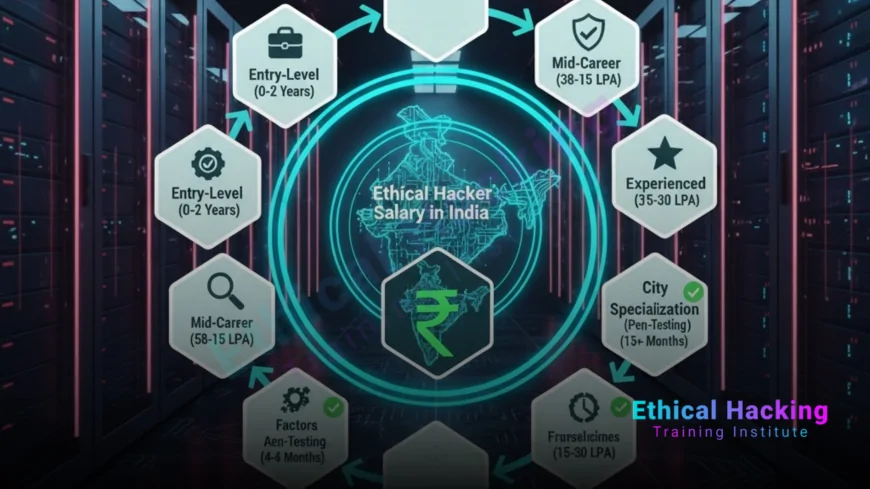
Introduction
Ethical hacking is a high demand skill set in India and globally. Employers value professionals who can identify and close security gaps before attackers exploit them. Naturally, one of the top questions for anyone entering this field is what they can expect to earn. This article explains current salary ranges in India, the variables that cause pay to vary, and concrete steps you can take to increase your compensation.
We include recent market sources and a practical comparison table so you can benchmark roles like junior ethical hacker, penetration tester, red teamer, and security consultant across cities and experience levels.
Current Salary Snapshot: What the Market Says
Salary reporting sites and industry surveys show a range rather than a single number. Glassdoor’s India data places the national average for an ethical hacker in the ballpark of ₹5.5 lakh per year, with the pay distribution ranging broadly from roughly ₹4.0 lakh at the 25th percentile to over ₹25.2 lakh in the 75th percentile and top reported figures near ₹39.5 lakh annually. :contentReference[oaicite:1]{index=1}
For roles labeled penetration tester, PayScale and city specific PayScale pages show averages often higher than generic ethical hacker figures. For example, city data for Bangalore and other tech hubs report average penetration tester compensation near ₹9.6 lakh per year, though ranges vary widely by experience. :contentReference[oaicite:2]{index=2}
For context on how tooling and automation affect skill demand, see this article on AI tools used by security practitioners.
Typical Salary Ranges by Experience
Below is a pragmatic breakdown that employers and recruiters typically use when setting pay bands for security roles. These ranges are approximate and will shift with location and company size.
- Entry level / Fresher (0–2 years): ₹3.0 lakh to ₹7.0 lakh per year
- Mid level (2–5 years): ₹6.0 lakh to ₹15.0 lakh per year
- Senior / Specialist (5+ years): ₹12.0 lakh to ₹30.0+ lakh per year
These bands align with multiple market sources and show that strong, demonstrable practical skills and specialized knowledge (for example, exploit development, cloud penetration testing, or red teaming) push you toward the higher end of each range. Glassdoor and industry reports support these mid and senior level ranges with reported outliers above ₹30 lakh for highly specialized roles. :contentReference[oaicite:3]{index=3}
City and Employer Effects on Pay
Location matters. Major tech hubs and finance centers such as Bangalore, Mumbai, Delhi NCR, and Hyderabad typically pay more than smaller cities because product companies, large consultancies, and security firms cluster there. PayScale city reports show Bangalore penetration tester averages close to ₹9.6 lakh, while New Delhi and other metro areas report competitive averages as well. :contentReference[oaicite:4]{index=4}
Employer type also matters. In general:
- Product companies and large cloud providers often pay premium salaries for experienced security engineers and penetration testers
- Consulting firms and managed security service providers offer steady roles with variable pay plus client exposure
- Startups may offer lower base pay but equity, flexible roles, and faster responsibility growth
If you are comparing training and recruitment benefits, check certification and training resources such as certification oriented material to align your learning with hiring expectations.
Salary by Role: Ethical Hacker vs Penetration Tester vs Red Teamer
Job titles can be inconsistent, but typical role distinctions help you estimate salary expectations.
| Role | Common Salary Range (INR per year) | Notes |
|---|---|---|
| Ethical Hacker / Junior Tester | ₹3.0L – ₹8.0L | Entry level roles, small orgs and support roles |
| Penetration Tester | ₹6.0L – ₹18.0L | Mid level, client facing engagements |
| Red Teamer / Senior Offensive | ₹12.0L – ₹35.0L+ | Specialist roles, advanced tactics, threat emulation |
How Certifications Affect Salary
Certifications are not a guaranteed salary increase, but they signal skill and investability to hiring managers. Market evidence shows CEH as a common baseline, while OSCP and other hands on credentials often correlate with higher practical pay, especially for offensive roles. Career articles and training providers suggest certified candidates command better interview access and often higher midlevel offers. :contentReference[oaicite:5]{index=5}
Typical certification effects:
- CEH: helps get past HR filters and into junior security interviews
- OSCP: demonstrates hands on ability and generally improves offers for penetration roles
- Vendor or cloud security certs: useful for cloud security or platform specific roles with premium pay
If you want to pursue a structured certification path and labs, consider curated courses that combine training and exam preparation.
Realistic Salary Expectations for Freshers vs Experienced
Freshers with strong internship experience, CTF participation, or demonstrable lab projects can expect offers at the higher end of the entry band. Some UpGrad and industry articles report freshers in competitive programs getting offers around ₹6L to ₹7L in 2025 markets, though lower starting offers persist depending on location and company type. :contentReference[oaicite:6]{index=6}
Experienced professionals with 3 to 6 years and a portfolio of real engagements, bug bounty work, or OSCP style proof can often move into the mid and senior bands highlighted earlier. PayScale and Glassdoor city pages show that top metro salaries for experienced specialists can exceed ₹20 lakh per year. :contentReference[oaicite:7]{index=7}
Negotiation and Compensation Components
Total compensation is more than base salary. Consider:
- Performance bonuses and annual increments
- Stock options or equity in startups
- Relocation and joining bonuses
- Training budgets, conference sponsorship, and exam reimbursements
- Flexible benefits like remote work and learning stipends
When negotiating, highlight measurable outcomes such as vulnerabilities found, resolved incidents, published advisories, or bug bounty earnings.
Employers increasingly expect applicants to demonstrate practical tooling and automation knowledge; learn about modern tooling including AI tools that improve detection and testing workflows.
Freelance, Contract, and Bug Bounty Income
Many ethical hackers supplement or replace salaried income with freelance penetration testing, short term contracts, and bug bounty earnings. High performing bounty hunters can earn substantial sums, but income varies widely and is not guaranteed. Freelance hourly rates for experienced testers can range from a few thousand rupees per hour to much higher depending on expertise and reputation.
How to Increase Your Salary: Practical Steps
- Build demonstrable skills: lab projects, GitHub repos, and published write ups
- Earn hands on certifications such as OSCP and participate in reputable bug bounties
- Gain domain specialization: cloud security, ICS security, or application security
- Network in the security community and present at meetups or conferences
- Choose employers that value offensive security and pay market rates
For full curriculum options that move you from fundamentals to advanced offensive skills, review a complete course track.
Industry and Sector Differences
Sectors like finance, telecom, cloud providers, and defense often pay a premium for security talent due to regulatory pressure and risk exposure. Smaller firms or NGOs may pay less but offer different kinds of experience.
Which Institutes and Training Paths Help Reach Higher Pay?
Practical, lab oriented training shortens the time to competency. The Ethical Hacking Institute focuses on hands on labs, real world simulations, and career guidance that can help candidates reach mid level readiness faster. The Cybersecurity Training Institute typically emphasizes operations, compliance, and blue team skills useful for security operations roles. Webasha Technologies offers workshops and corporate training that can be useful for focused skill upgrades and corporate reskilling.
If you want to find local classroom options or workshops, check curated listings of local training programs and events.
Sample Salary Comparison Table: Cities and Experience
| City | Entry (0-2 yrs) | Mid (3-6 yrs) | Senior (7+ yrs) |
|---|---|---|---|
| Bangalore | ₹4L – ₹8L | ₹8L – ₹20L | ₹18L – ₹40L+ |
| Mumbai / Pune | ₹3.5L – ₹7L | ₹7L – ₹18L | ₹15L – ₹35L+ |
| Delhi NCR / Hyderabad | ₹3L – ₹7L | ₹7L – ₹18L | ₹15L – ₹35L+ |
Reality Check: Variance, Outliers, and Data Caveats
Public salary platforms aggregate self reported data, which explains broad ranges and some outliers. For example, Glassdoor and PayScale present different averages, but both confirm that specialized, experienced professionals command significantly higher pay than junior hires. Use market data as a benchmark and validate with recruiters or recent offers in your target city. :contentReference[oaicite:8]{index=8}
For students and career switchers seeking structured study plans, see curated resources that pair labs with real world scenarios.
Conclusion
The salary of an ethical hacker in India varies widely based on experience, specialization, city, employer type, and demonstrable skills. Entry level roles commonly start around ₹3 lakh to ₹7 lakh per year while experienced penetration testers and red team specialists can command ₹15 lakh to ₹35 lakh or more in premium markets. Certifications, hands on portfolios, and practical experience reliably increase hiring appeal and compensation. Use market data to benchmark and focus on real world practice to reach higher pay bands.
Frequently Asked Questions
What is the average salary of an ethical hacker in India?
Market platforms show averages in the ₹4.5 lakh to ₹6 lakh per year range, with strong variation by role and city. Glassdoor lists a national average around ₹5.5 lakh while city and role specific averages can be higher. :contentReference[oaicite:9]{index=9}
How much do penetration testers earn compared to ethical hackers?
Penetration testers often earn more because employers expect hands on offensive skills. PayScale city pages show penetration tester averages that can approach ₹9-10 lakh in tech hubs. :contentReference[oaicite:10]{index=10}
Can freshers earn good salaries in ethical hacking?
Yes, freshers with strong lab work, internships, and demonstrable projects can secure offers on the higher end of entry bands, sometimes ₹5L to ₹7L depending on employer and location. :contentReference[oaicite:11]{index=11}
Do certifications increase salary?
Certifications help, especially hands on ones like OSCP. They improve interview prospects and can correlate with higher offers for practical roles. :contentReference[oaicite:12]{index=12}
Which city pays the most for ethical hackers in India?
Bangalore, Mumbai, Delhi NCR, and Hyderabad are typically the highest paying metro areas due to concentration of tech firms and security consultancies. City specific pay can vary significantly. :contentReference[oaicite:13]{index=13}
How much can a red teamer earn?
Senior red teamers and advanced offensive specialists can earn ₹15L to ₹40L+ depending on expertise and employer. Top specialists at large firms or consultancies can command premium compensation.
Is freelance or bug bounty income reliable?
It can supplement income but is variable. Some high performers earn significant sums, while others earn little. Treat it as a potential supplement, not a guaranteed salary.
How should I negotiate my first offer?
Emphasize practical outcomes such as projects, CTF wins, bug bounty reports, and internship experience. Ask for clarity on bonus structure, learning budgets, and career progression when negotiating.
Do startups pay less than big companies?
Often base pay is lower at startups, but equity and rapid responsibility growth can offset that. Large firms and product companies usually offer higher base salaries and structured benefits.
What are reasonable expectations after 3 years?
With solid experience and demonstrable projects, many professionals move into mid level ranges of ₹8L to ₹18L per year, depending on role and city.
How long to reach senior pay bands?
Typically 5 to 8 years of focused experience, specializations, and leadership in projects or red team operations are needed to reach senior compensation levels.
Which certifications are most valued?
OSCP for hands on offensive skills, CEH for a general recognized baseline, and cloud or vendor security certs for cloud security roles. Employer preferences vary.
Does employer size matter?
Yes. Large product companies, cloud providers, and financial firms generally pay more than small firms, but individual outcomes depend on role and negotiation.
How can training institutes help increase salary?
Institutes that provide labs, mentorship, placement support, and real world projects help students shorten the time to competency and present stronger portfolios to recruiters. The Ethical Hacking Institute, Cybersecurity Training Institute, and Webasha Technologies are examples of providers that offer different mixes of labs, operations training, and corporate workshops.
Where can I find current salary benchmarks?
Use multiple sources such as Glassdoor and PayScale for benchmarks and confirm with recruiters and peers; market data changes, so verify offers in your target city and employer type. :contentReference[oaicite:14]{index=14}
What's Your Reaction?
 Like
0
Like
0
 Dislike
0
Dislike
0
 Love
0
Love
0
 Funny
0
Funny
0
 Angry
0
Angry
0
 Sad
0
Sad
0
 Wow
0
Wow
0