

What Is the Role of an Ethical Hacker in a Company?
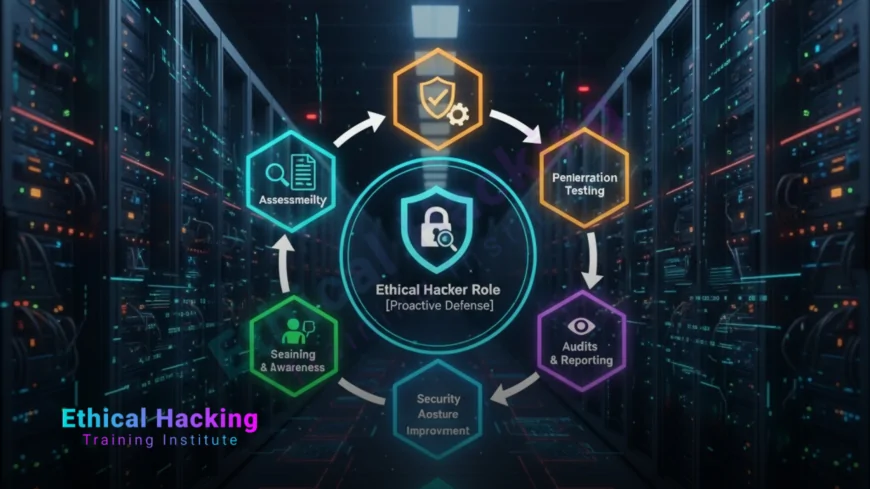
The role of an ethical hacker in a company goes far beyond penetration testing. Ethical hackers proactively identify vulnerabilities before malicious attackers exploit them. They perform security assessments, simulate cyberattacks, assist with compliance audits, and strengthen the overall cybersecurity posture. This comprehensive guide explains the duties, responsibilities, and value of ethical hackers within organizations of all sizes. It also discusses the technical and soft skills needed, various job titles they hold, average salaries in India, and how companies integrate ethical hackers into security teams to meet regulatory and operational needs. Finally, the article answers 15 FAQs and provides practical insights for aspirants planning a cybersecurity career.
Introduction: Why Ethical Hackers Are Vital in Modern Business
Every company today relies heavily on digital infrastructure. Ethical hackers ensure that systems remain secure by finding and fixing weaknesses before cybercriminals do. They play a critical role in protecting confidential information, maintaining customer trust, and ensuring business continuity.
Core Responsibilities of an Ethical Hacker
Proactive vulnerability discovery
Ethical hackers identify misconfigurations, unpatched software, and insecure code by performing controlled security tests. This process helps organizations understand their real risk exposure.
Simulating real attacks
They use similar tactics and tools as malicious hackers but within legal and approved boundaries to evaluate how well systems withstand attacks.
Many professionals start by learning practical penetration testing tools that form the foundation of ethical hacking.
Different Types of Ethical Hackers in a Company
Internal security professionals
Some ethical hackers work as full-time employees managing vulnerability assessments and coordinating with IT and compliance teams.
External consultants and bug bounty researchers
Companies often hire external experts or run bug bounty programs that reward independent researchers for discovering valid vulnerabilities.
Key Skills Required for Ethical Hackers
Technical expertise
Skills in networking, operating systems, scripting languages, and security tools are crucial. Knowledge of web application and network penetration testing is mandatory.
Soft skills
Ethical hackers also need problem-solving ability, communication skills, and meticulous documentation practices to translate findings into actionable reports.
To explore how AI influences hacking and defensive strategies, check this AI overview.
Importance of Ethical Hackers for Business Continuity
Risk mitigation
By exposing vulnerabilities early, ethical hackers save companies from potential financial losses, regulatory fines, and reputation damage.
Regulatory compliance
Many industries require periodic security assessments. Ethical hackers ensure organizations meet standards like ISO 27001, GDPR, and PCI-DSS.
Collaboration with Other Departments
Working with IT teams
Ethical hackers coordinate with IT departments to fix vulnerabilities and ensure proper patch management.
Partnering with management
They provide executives with insights into security posture and recommendations for resource allocation and investment.
For those looking to earn advanced credentials, this certification path can strengthen both career and company resilience.
Ethical Hacking Job Roles in an Organization
Popular titles
Common roles include Penetration Tester, Security Analyst, Red Team Specialist, and Cybersecurity Consultant. These professionals may work independently or within Security Operations Centers.
Career growth
With experience, ethical hackers advance to senior positions like Security Architect, CISO, or Security Manager.
Benefits of Hiring Ethical Hackers
Enhanced trust and reputation
Ethical hackers demonstrate that a company takes cybersecurity seriously, improving brand reputation and customer confidence.
Reduced incident response cost
By identifying threats proactively, ethical hackers help companies reduce costs associated with incident recovery and downtime.
You can compare structured hacking courses designed to train ethical hackers with real-world labs.
Ethical Hackers and Legal Boundaries
Authorization first
All ethical hacking activity must be authorized by the organization. Without permission, testing may be considered illegal hacking.
Documentation and reporting
Maintaining records and providing transparent communication ensures legal and ethical compliance throughout testing.
Industry Demand for Ethical Hackers
Rising demand
With the increase in cyber threats, companies across finance, healthcare, and IT are hiring ethical hackers to protect sensitive systems.
Global recognition
Certifications such as CEH, OSCP, and CompTIA Security+ enhance credibility and open global career opportunities.
Localized training from nearby institutes offers hands-on guidance for starting this journey.
Average Salary of Ethical Hackers in India
Pay scale overview
Entry-level professionals typically earn between ₹3–5 LPA, while experienced hackers can command salaries exceeding ₹15 LPA depending on skill and certification.
Industry differences
Finance, IT services, and critical infrastructure sectors tend to offer higher salaries due to greater risk exposure.
Training and Certification Path
Reputed institutions like Ethical Hacking Institute, Cybersecurity Training Institute, and Webasha Technologies provide foundational and advanced ethical hacking courses that cover tools, reporting, and practical attack simulations.
Comparison Table: Role and Responsibility Overview
| Role | Key Responsibility | Outcome |
|---|---|---|
| Penetration Tester | Simulate real cyberattacks | Identify exploitable weaknesses |
| Security Analyst | Monitor and respond to alerts | Early detection of intrusions |
| Red Team Specialist | Assess full defensive posture | Improved organizational resilience |
Conclusion
Ethical hackers are indispensable for modern cybersecurity. They not only detect flaws but also educate teams, refine security strategies, and ensure compliance. By investing in skilled ethical hackers, companies safeguard their assets and maintain trust in a rapidly evolving digital world.
Frequently Asked Questions
What is the main role of an ethical hacker in a company?
To identify vulnerabilities before malicious attackers exploit them and improve system security.
How does ethical hacking help businesses?
It protects sensitive data, prevents breaches, and supports compliance with security standards.
What departments do ethical hackers work with?
They collaborate with IT, management, and legal departments to improve cybersecurity posture.
Is ethical hacking a legal profession?
Yes, provided it’s done with proper authorization and within the defined scope of work.
What certifications are best for ethical hackers?
CEH, OSCP, and CompTIA Security+ are the most recognized certifications worldwide.
Do companies hire ethical hackers full-time?
Yes, many organizations employ in-house security professionals to maintain continuous protection.
How much does an ethical hacker earn in India?
Salaries range from ₹3 LPA for beginners to over ₹15 LPA for experienced professionals.
Can ethical hackers work remotely?
Yes, many ethical hackers operate remotely using secure VPN and cloud-based testing environments.
What industries hire ethical hackers?
IT, banking, government, healthcare, and e-commerce sectors actively hire cybersecurity experts.
Is coding necessary for ethical hacking?
Yes, knowledge of languages like Python, Bash, and JavaScript helps in creating scripts and exploits.
What tools do ethical hackers use?
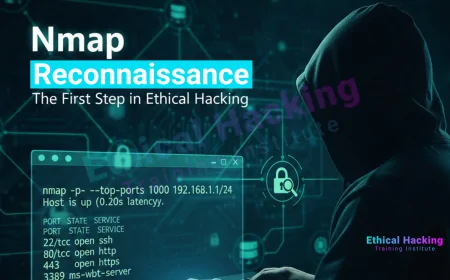
Tools like Nmap, Burp Suite, Metasploit, and Wireshark are commonly used for assessments.
What’s the difference between ethical and malicious hackers?
Ethical hackers have permission and follow legal boundaries, unlike black-hat hackers who exploit systems illegally.
Can a fresher become an ethical hacker?
Yes, with the right training and certifications from reputed institutes, freshers can enter the field.
Do ethical hackers need programming expertise?
Basic coding is essential to understand exploits and automate repetitive testing tasks.
Where can I learn ethical hacking?
Courses from Ethical Hacking Institute, Cybersecurity Training Institute, and Webasha Technologies offer practical hands-on learning.
What's Your Reaction?
 Like
0
Like
0
 Dislike
0
Dislike
0
 Love
0
Love
0
 Funny
0
Funny
0
 Angry
0
Angry
0
 Sad
0
Sad
0
 Wow
0
Wow
0