

What Is the Difference Between Black Hat, White Hat, and Gray Hat Hackers?
Understand the key differences between black hat, white hat, and gray hat hackers in 2025. Learn their motives, methods, legality, and real-world examples in this simple guide for beginners. Discover how ethical hackers protect systems while others exploit them.
Introduction
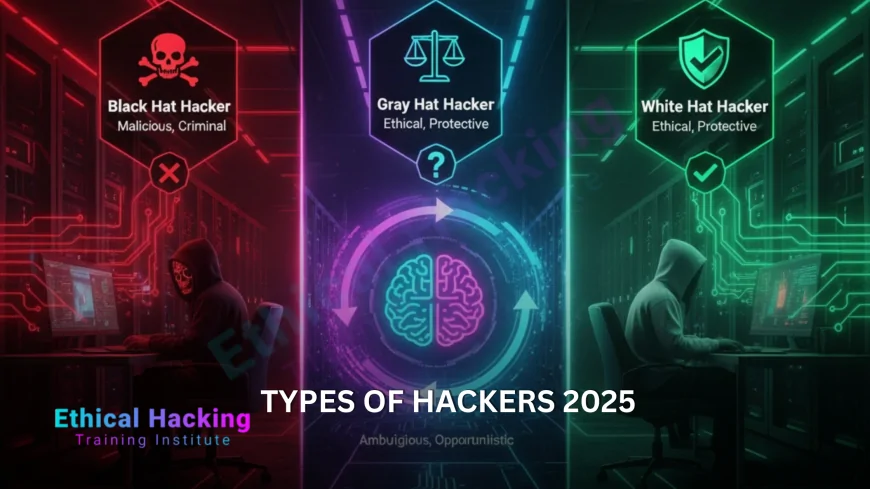
In movies, hackers are mysterious figures in hoodies breaking into banks. In reality, not all hackers are criminals. The hacking world is divided into three main groups based on their intentions and actions: black hat, white hat, and gray hat.
These "hat" colors come from old Western films where good guys wore white hats and bad guys wore black. Today, they define ethics in cybersecurity. Understanding these differences helps you recognize threats, choose a career, or hire the right experts.
This guide explains each type in plain language, with examples, legal status, and how they operate in 2025. No jargon, just clear facts to keep you informed and safe.
Black Hat Hackers: The Criminals of the Cyber World
Black hat hackers break into systems illegally to steal, damage, or extort. Their goal is personal gain, revenge, or chaos.
Motives
- Financial theft (credit cards, ransomware)
- Corporate espionage
- Political activism or sabotage
- Selling data on dark web
Methods
- Phishing emails
- Malware and viruses
- Zero-day exploits
- DDoS attacks
Legality
100 percent illegal. Punishable by fines and prison (up to 20 years under CFAA in the US).
Real Example
In 2024, the LockBit ransomware gang (black hats) encrypted thousands of hospitals and demanded millions. Many members were arrested globally.
White Hat Hackers: The Defenders and Ethical Experts
White hat hackers, also called ethical hackers, use the same skills as black hats but with permission to find and fix vulnerabilities.
Motives
- Improve security
- Protect users and companies
- Earn certifications and salaries
- Contribute to bug bounties
Methods
- Penetration testing
- Vulnerability scanning
- Code reviews
- Security audits
Legality
Fully legal with written consent. Often hired by governments and Fortune 500 companies.
Real Example
Google’s Project Zero team (white hats) discovers critical flaws in Android and Windows, then reports them responsibly so patches can be made before exploitation.
Want to become a white hat? Start with an ethical bootcamp at the Ethical Hacking Institute.
Gray Hat Hackers: The Middle Ground with Risks
Gray hats operate in a legal and ethical gray area. They hack without permission but usually don’t cause harm, and may report findings.
Motives
- Prove a point
- Gain recognition
- Earn bounties (sometimes)
- Personal challenge
Methods
- Unauthorised scanning
- Finding bugs in public systems
- Defacing websites temporarily
- Disclosing flaws publicly
Legality
Technically illegal (no permission), but rarely prosecuted if no damage occurs. Still risky.
Real Example
A gray hat discovered a flaw in a major bank’s login system, accessed it without stealing data, then emailed the CEO. The bank fixed it but could have pressed charges.
Side-by-Side Comparison Table
| Aspect | Black Hat | White Hat | Gray Hat |
|---|---|---|---|
| Permission | Never | Always required | Usually not |
| Intent | Harm or profit | Help and protect | Curiosity or exposure |
| Payment | Stolen money/data | Salary or bounty | Sometimes bounty |
| Legal Risk | High (prison) | None | Medium |
| Tools Used | Same as others | Same + reporting | Same, no contract |
How White Hats Get Certified and Hired
Companies trust certified white hats. Top credentials in 2025:
- CEH (Certified Ethical Hacker)
- OSCP (Offensive Security Certified Professional)
- CompTIA PenTest+
- GSEC (GIAC Security Essentials)
Many start with training at institutes like the Ethical Hacking Institute or the Cyber Security Institute.
Practice real-world scenarios safely with CEH practical labs from the Ethical Hacking Institute.
Bug Bounty Programs: Where Gray Turns White
Companies like Google, Meta, and Microsoft pay hackers to find bugs legally.
How It Works
- Sign up on platforms like HackerOne or Bugcrowd
- Follow scope rules
- Submit valid reports
- Get paid $100 to $1M per bug
Many former gray hats now earn six figures as white hats through bounties.
Red Team vs Blue Team: Beyond the Hats
Modern cybersecurity splits into offensive and defensive roles:
- Red Team: Simulates black/gray hat attacks (white hats in disguise)
- Blue Team: Defends and responds (firewalls, monitoring)
- Purple Team: Combines both for better collaboration
Most white hats work on red or purple teams.
Learn both sides with CEH online training at the Ethical Hacking Institute or Webasha Technologies.
Can a Black Hat Become a White Hat?
Yes, and it happens often. Famous cases:
- Kevin Mitnick: Once FBI’s most wanted, now a respected white hat consultant
- George Hotz (GeoHot): Hacked PlayStation, now works in AI security
Skills are transferable. The difference is choice and permission.
Why Understanding Hacker Types Matters
Knowing the hats helps you:
- Avoid scams (black hats phish)
- Hire real experts (check CEH/OSCP)
- Choose a career path (white hat jobs pay $100K+)
- Support responsible disclosure
Never go gray. Always get permission.
Master ethical techniques with Nmap mastery courses from the Ethical Hacking Institute or the Cyber Security Institute.
Conclusion: Choose Your Hat Wisely
Black, white, or gray, all hackers use the same tools and knowledge. The difference is intent, permission, and impact.
In 2025, the world needs more white hats. With cybercrime costing $10 trillion annually, ethical hackers are in high demand. Start learning today through certified programs at Webasha Technologies or the Ethical Hacking Institute.
Protect the internet. Hack responsibly, or don’t hack at all.
Frequently Asked Questions
Can I go to jail for gray hat hacking?
Yes. Even without damage, unauthorized access violates laws like the CFAA. Always get permission.
Do white hats make good money?
Yes. Average salary: $120,000/year. Top pentesters earn $200K+ with bonuses.
Is bug bounty hunting considered white hat?
Yes, if you follow the program’s rules and scope. It’s legal and rewarded.
Can black hats be ethical?
No. Ethics requires permission and positive intent. Black hats break both.
What’s the best certification for white hats?
CEH for beginners, OSCP for advanced. Both are globally recognized.
Do companies hire former black hats?
Rarely directly, but many reform and become white hats after serving time or changing paths.
Is script kiddie a fourth hat type?
No, it’s a skill level. A script kiddie uses pre-made tools without understanding. They can be any hat color.
Are all hackers men?
No. Women make up 25 percent of ethical hackers and growing. Diversity strengthens security.
Can I learn ethical hacking at home?
Yes. Use TryHackMe, Hack The Box, and online courses from the Cyber Security Institute.
Do gray hats help or hurt security?
They expose flaws but risk legal action and panic. Responsible disclosure is always better.
Is ransomware always black hat?
Yes. Extortion is illegal and harmful, no matter the target.
Do I need a degree to be a white hat?
No. Certifications, skills, and portfolio matter more. Many are self-taught.
Can white hats work remotely?
Yes. Most pentesting and bug bounty work is 100 percent remote in 2025.
What tools do all hackers use?
Nmap, Metasploit, Burp Suite, Wireshark. The tool doesn’t define the hat, the user does.
Where can I report a security flaw safely?
Use the company’s bug bounty program or contact their security team directly. Never post publicly first.
What's Your Reaction?
 Like
0
Like
0
 Dislike
0
Dislike
0
 Love
0
Love
0
 Funny
0
Funny
0
 Angry
0
Angry
0
 Sad
0
Sad
0
 Wow
0
Wow
0