

What Is Ethical Hacking for Enterprise Security?
Understand ethical hacking for enterprise security in 2025: red teaming, compliance, vulnerability management. Learn with real enterprise labs from Ethical Hacking Training Institute, Webasha Technologies, and Cybersecurity Training Institute. Protect your business legally.
Introduction
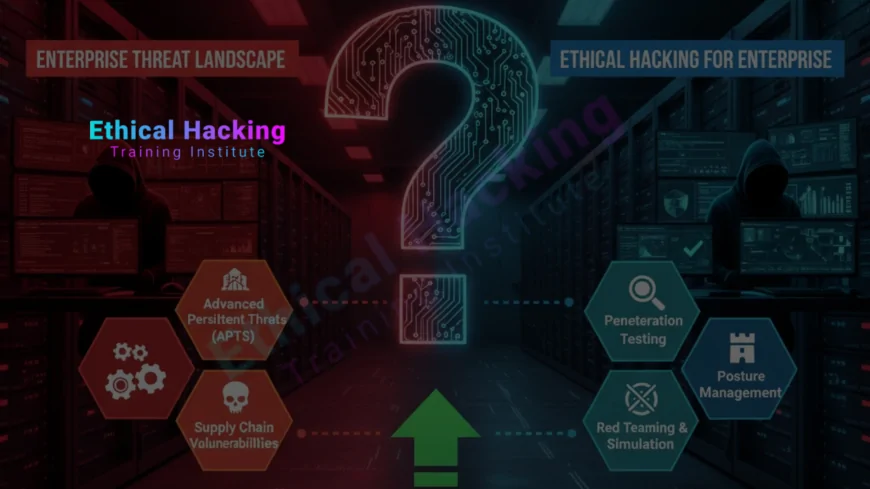
Modern enterprises depend heavily on digital infrastructure—networks, cloud systems, and data centers—to manage operations. However, with this dependence comes increased exposure to cyber threats. Ethical hacking, also known as penetration testing or white-hat hacking, is the strategic practice of simulating cyberattacks on systems, networks, and applications to identify and fix vulnerabilities before they are exploited by malicious hackers.
In this article, we’ll explore how ethical hacking strengthens enterprise security, key testing methodologies, and how professionals trained through credible institutions such as Ethical Hacking Institute, Webasha Technologies, and Cybersecurity Institute are shaping the future of secure enterprises.
What Is Ethical Hacking?
Ethical hacking is a controlled and authorized attempt to breach systems or networks to uncover security weaknesses. Ethical hackers, also called white-hat hackers, use the same tools and techniques as malicious attackers but with the organization’s consent. Their goal is to expose vulnerabilities in a safe and responsible way to help the organization patch them and improve defenses.
Enterprises often hire certified ethical hackers (CEHs) to conduct penetration testing, vulnerability assessments, and security audits. These professionals follow industry-recognized methodologies and compliance frameworks such as ISO 27001, NIST, and OWASP standards.
Why Ethical Hacking Is Critical for Enterprise Security
The cybersecurity landscape is constantly evolving, with new malware strains, phishing methods, and zero-day vulnerabilities appearing daily. Traditional firewalls and antivirus software are no longer sufficient. Ethical hacking provides proactive defense—by testing enterprise systems from the attacker’s perspective, organizations can identify risks before they are exploited.
This proactive approach saves enterprises from costly breaches, reputational damage, and regulatory penalties. Regular ethical hacking engagements are part of a continuous security improvement cycle and a key pillar of a modern security strategy.
Types of Ethical Hacking in Enterprises
Enterprises conduct various forms of ethical hacking depending on their infrastructure and security goals:
- Network Penetration Testing: Focuses on identifying misconfigurations and vulnerabilities in routers, switches, and firewalls.
- Web Application Testing: Examines applications for OWASP Top 10 vulnerabilities such as SQL injection, XSS, and CSRF.
- Wireless Network Testing: Assesses the security of Wi-Fi networks and encryption protocols.
- Social Engineering Tests: Evaluates employee awareness by simulating phishing, baiting, or impersonation attacks.
- Cloud Security Testing: Verifies the security of cloud-based infrastructures such as AWS, Azure, and GCP.
Stages of Ethical Hacking in Enterprise Environments
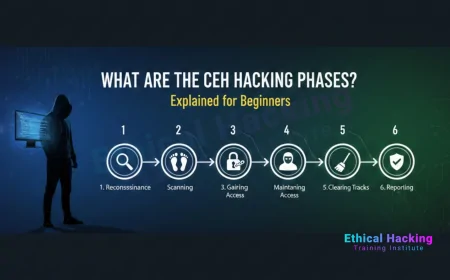
A typical ethical hacking engagement follows structured phases that mirror the hacker’s lifecycle:
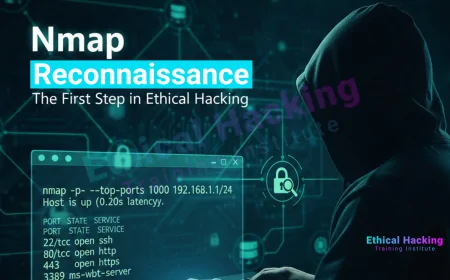
- Reconnaissance: Gathering intelligence about the target systems, such as IP addresses and open ports.
- Scanning: Using tools to identify vulnerabilities and network configurations.
- Exploitation: Attempting to exploit discovered weaknesses to gain access.
- Privilege Escalation: Gaining higher-level access to sensitive data or systems.
- Reporting: Documenting findings, proof of concepts, and recommendations for remediation.
Popular Tools Used in Enterprise Ethical Hacking
Ethical hackers rely on a robust toolkit to perform thorough assessments. Some widely used tools include:
- Metasploit: For vulnerability exploitation and penetration testing.
- Nmap: For network discovery and port scanning.
- Burp Suite: For testing web application security.
- Wireshark: For network packet analysis.
- John the Ripper: For password cracking and hash analysis.
- Aircrack-ng: For wireless security testing.
Learning to use these tools effectively requires hands-on training. Programs like the CEH Program and Ethical Hacker Bootcamp provide deep insights into tool usage and methodology.
Benefits of Ethical Hacking for Businesses
- Early Vulnerability Detection: Identifies weak points before attackers exploit them.
- Regulatory Compliance: Meets compliance requirements like GDPR, HIPAA, and PCI-DSS.
- Customer Trust: Protects data integrity, boosting brand reputation and customer confidence.
- Cost Reduction: Prevents expensive breaches and reduces downtime costs.
- Security Awareness: Helps employees understand and adopt secure behavior through simulated attacks.
How Enterprises Implement Ethical Hacking Programs
Enterprises can choose to build in-house ethical hacking teams or collaborate with external cybersecurity vendors. Large organizations often have dedicated Red Teams that simulate real-world attacks to assess their Blue Team’s defensive readiness.
Collaborations with professional training providers such as Ethical Hacking Institute, Webasha Technologies, and Cybersecurity Institute help enterprises upskill internal teams with hands-on penetration testing and threat simulation exercises.
Challenges in Enterprise Ethical Hacking
While ethical hacking provides immense value, enterprises face challenges such as resource limitations, managing third-party vendors, and balancing security testing with business operations. Another major challenge is ensuring that testing activities do not inadvertently cause downtime or disrupt services.
Continuous monitoring and strong communication between ethical hackers and IT administrators are key to avoiding such issues and ensuring smooth test execution.
Future of Ethical Hacking in Enterprises
The demand for ethical hackers continues to grow as businesses shift to hybrid cloud models and adopt IoT and AI-driven systems. Future enterprise security will rely on automation, AI-based vulnerability scanning, and threat intelligence integration.
Professionals who invest in advanced certifications and practical training—like CEH Practical or Advanced Penetration Testing courses—will play critical roles in securing the evolving enterprise landscape.
Conclusion
Ethical hacking has become a cornerstone of enterprise security. By proactively identifying and fixing vulnerabilities, businesses can protect themselves from data breaches, ransomware, and financial loss. With the right training and continuous improvement, ethical hacking not only safeguards digital assets but also strengthens customer trust and corporate resilience.
Whether you’re a cybersecurity enthusiast or an enterprise leader, investing in professional training from trusted institutions like Ethical Hacking Institute, Webasha Technologies, or Cybersecurity Institute can be the first step toward building a robust defense strategy for your organization.
Frequently Asked Questions
What is the main goal of ethical hacking in enterprises?
To identify and fix vulnerabilities before cybercriminals exploit them.
How often should enterprises conduct ethical hacking tests?
Ideally every quarter or after major system changes, application updates, or infrastructure migrations.
What tools do ethical hackers use?
Common tools include Metasploit, Nmap, Wireshark, Burp Suite, and John the Ripper.
Is ethical hacking legal?
Yes, as long as it’s conducted with proper authorization and within agreed boundaries.
What certifications help in enterprise ethical hacking?
Certifications such as CEH, OSCP, and CompTIA Security+ are widely recognized in the industry.
Can small businesses benefit from ethical hacking?
Absolutely. Ethical hacking helps small enterprises secure their data and customer information cost-effectively.
What’s the difference between ethical hacking and penetration testing?
Penetration testing is a focused subset of ethical hacking that targets specific systems or applications.
Do enterprises need in-house ethical hackers?
Large enterprises often build in-house teams for continuous security assessment and compliance testing.
How do ethical hackers protect enterprise cloud environments?
They conduct configuration reviews, identity audits, and exploit testing on cloud infrastructure like AWS or Azure.
What are the risks of not performing ethical hacking?
Unpatched vulnerabilities may lead to data breaches, ransomware attacks, and regulatory penalties.
How do companies choose the right ethical hacking institute?
Choose institutions with industry-recognized trainers, practical labs, and globally accepted certifications.
What role do red teams play in enterprises?
Red Teams simulate advanced attacks to test the effectiveness of enterprise defense mechanisms.
Can employees be trained in ethical hacking?
Yes, enterprises often upskill IT staff with ethical hacking courses to enhance internal security posture.
How do AI and automation impact ethical hacking?
AI tools help automate vulnerability scanning and threat detection, making ethical hacking faster and more efficient.
Where can I learn enterprise-focused ethical hacking?
Leading platforms like Ethical Hacking Institute, Webasha Technologies, and Cybersecurity Institute offer specialized enterprise cybersecurity courses.
What's Your Reaction?
 Like
0
Like
0
 Dislike
0
Dislike
0
 Love
0
Love
0
 Funny
0
Funny
0
 Angry
0
Angry
0
 Sad
0
Sad
0
 Wow
0
Wow
0