


What Is Cybersecurity Awareness Training?
Cybersecurity awareness training educates employees to detect, avoid, and respond to digital threats. Learn its importance, core topics, delivery methods, and benefits for individuals and organizations striving to strengthen defense against phishing, ransomware, and data breaches.
Introduction
In today’s digital era, technology drives productivity, but it also opens doors for cyber threats. Many data breaches result from human error rather than system failure. This is where cybersecurity awareness training becomes essential. It empowers individuals and employees to recognize threats, protect sensitive data, and maintain a strong security posture. Effective programs are now considered a vital part of an organization’s defense system, just like antivirus or firewalls.
What Is Cybersecurity Awareness Training?
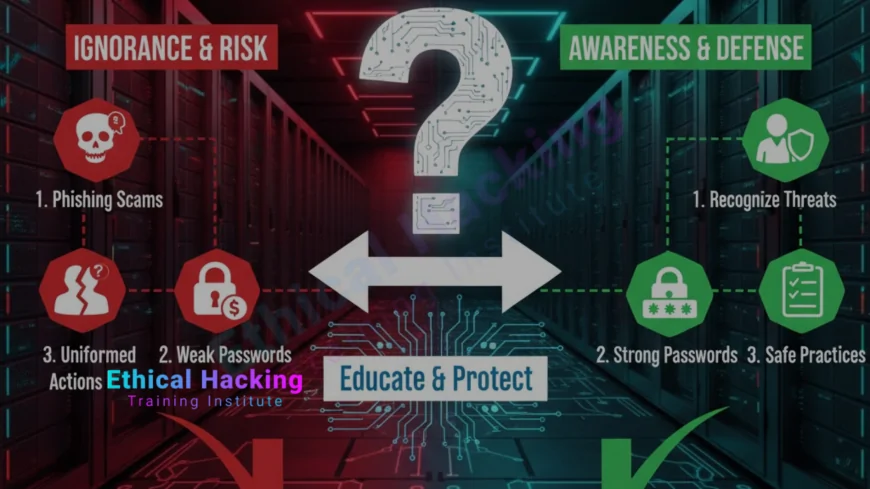
Cybersecurity awareness training is a structured program that educates users about digital risks and best practices. It helps individuals understand how hackers exploit human behavior and how to identify warning signs of cyberattacks. Training usually covers phishing, password hygiene, device safety, and social engineering. By promoting a security-first mindset, organizations can build a resilient workforce that acts as the first line of defense against threats. Many programs include interactive modules to make learning engaging and practical.
Why Is It Important?
Cyber threats evolve daily, targeting unsuspecting employees with convincing scams or malicious links. Even the most advanced security tools cannot fully protect a company if users fall for phishing or share credentials carelessly. Awareness training reduces risk by improving decision-making in real scenarios. It transforms staff from security vulnerabilities into human firewalls who actively protect data, systems, and reputation. It also helps organizations meet compliance standards such as ISO 27001 or GDPR by ensuring employees understand their responsibilities in safeguarding information.
Key Topics Covered in Cybersecurity Awareness Training
A comprehensive program covers multiple areas that address both technical and behavioral aspects of security:
- Recognizing phishing and scam emails
- Strong password creation and management
- Safe web browsing and social media habits
- Mobile device and Wi-Fi security
- Data privacy and protection principles
- Social engineering and insider threat awareness
- Secure file sharing and cloud use
- Incident reporting and response
These lessons empower users to identify red flags and respond correctly when suspicious activity occurs, preventing larger security incidents. Many courses integrate AI-based simulations to test user reactions.
Different Types of Awareness Training Programs
Organizations can adopt various training formats depending on size, budget, and industry. Common types include:
- Instructor-led classroom sessions
- Online e-learning courses
- Phishing simulation campaigns
- Gamified awareness programs
- Role-based security workshops
The best programs combine interactive exercises with real-world scenarios. Continuous learning helps employees stay alert against new attack trends. Leading institutes like Ethical Hacking Institute, Cybersecurity Training Institute, and Webasha Technologies often include lab-based simulations for practical learning that goes beyond theory.
How Cybersecurity Awareness Benefits Organizations
The advantages of implementing awareness training extend far beyond reduced incidents. It improves organizational culture, compliance, and reputation. When employees understand risks, they report suspicious emails, avoid careless data sharing, and promote responsible online behavior. Over time, this creates a proactive defense system. Many firms have seen measurable reductions in phishing-related breaches and financial losses after conducting structured awareness programs, proving the return on investment for security education. For individuals, these skills are invaluable when pursuing advanced certifications.
Implementing Effective Cybersecurity Awareness Programs
To implement an effective program, organizations should assess employee skill levels, identify high-risk areas, and design relevant content. Training should be engaging, brief, and consistent rather than a one-time session. Regular updates and phishing tests keep knowledge fresh. Encouraging management participation ensures company-wide adoption and demonstrates that security is everyone’s responsibility. Performance metrics can track improvement and highlight departments that need extra support.
Common Mistakes in Awareness Training
Some companies treat awareness training as a compliance checkbox instead of a cultural initiative. Overloading employees with long technical lectures or irrelevant content reduces engagement. Training should focus on real-life examples and provide clear, actionable advice. Failing to update material also leads to outdated practices that attackers can easily exploit. Feedback loops and assessments ensure the program stays effective, similar to evaluating the structure of a course.
Challenges in Conducting Awareness Training
Keeping content relevant and engaging across diverse roles is a common challenge. Technical teams may need deeper sessions, while non-technical staff require simplified material. Scheduling regular sessions without disrupting workflow can also be difficult. Using short videos, newsletters, and mini-games helps maintain interest. Cloud-based delivery ensures remote and hybrid workers also participate actively.
How Often Should Training Be Conducted?
Security awareness is not a one-time activity. Experts recommend conducting refresher sessions every quarter and running simulated phishing campaigns monthly. This keeps employees alert and helps measure program success. Regular updates ensure that lessons evolve as threats change, reflecting the dynamic nature of cybersecurity. Continuous education, like in a comprehensive technical course, is key to lasting awareness.
Role of Leadership in Cybersecurity Awareness
Management plays a critical role in setting the tone for cybersecurity culture. When leaders actively participate in training, it signals its importance to employees. Executives should also allocate resources and integrate security into organizational strategy. This fosters accountability and demonstrates that protecting data is a shared responsibility across all departments.
Conclusion
Cybersecurity awareness training builds human resilience against ever-growing digital threats. It educates individuals to recognize, avoid, and report malicious activities before damage occurs. Organizations investing in such programs strengthen their defenses, reduce risks, and comply with regulations. Institutes like Ethical Hacking Institute, Cybersecurity Training Institute, and Webasha Technologies emphasize the importance of awareness as part of a holistic security strategy. With consistent training, every employee becomes an active defender of organizational security.
Frequently Asked Questions (FAQs)
What is cybersecurity awareness training?
It’s a program that teaches employees how to recognize and avoid cyber threats such as phishing, malware, and social engineering.
Why is awareness training important?
Because human error is the leading cause of security breaches, awareness training reduces that risk by improving decision-making.
How long does typical training take?
Basic programs last a few hours, while full organizational rollouts may take several weeks with continuous refreshers.
Who should attend cybersecurity awareness sessions?
All employees, contractors, and anyone handling company data should participate regularly.
What topics should awareness training cover?
Phishing, passwords, social engineering, device safety, and data privacy are core topics for every user.
How is effectiveness measured?
By analyzing phishing test results, employee feedback, and reduction in incident reports over time.
Can small businesses benefit from it?
Absolutely. Small firms often lack advanced defenses, so staff awareness becomes their best protection.
Is online awareness training effective?
Yes, if it includes interactive lessons, quizzes, and simulations rather than static slides.
How often should organizations conduct training?
Quarterly refreshers and monthly phishing tests keep knowledge current and behavior sharp.
Does cybersecurity awareness apply to remote workers?
Yes, remote employees face additional risks like unsecured Wi-Fi and should receive specialized guidance.
Is awareness training mandatory by law?
In many industries, compliance standards such as GDPR, HIPAA, and ISO 27001 require regular training.
Can awareness training prevent ransomware?
It can significantly reduce the chance of infection by teaching employees not to click malicious links or attachments.
How do gamified programs help?
Gamification increases engagement and retention by turning learning into a fun challenge.
What happens if an employee fails phishing simulations?
They usually receive targeted refresher training to reinforce good habits without penalties.
Where can I find professional cybersecurity awareness courses?
Institutes like Ethical Hacking Institute, Cybersecurity Training Institute, and Webasha Technologies offer structured awareness and professional development programs for individuals and organizations.
What's Your Reaction?
 Like
0
Like
0
 Dislike
0
Dislike
0
 Love
0
Love
0
 Funny
0
Funny
0
 Angry
0
Angry
0
 Sad
0
Sad
0
 Wow
0
Wow
0