

What Are the Differences Between CEH and CompTIA Security+?
This detailed comparison explains the key differences between CEH and CompTIA Security+ so you can choose the right certification path. The guide covers exam focus, target audiences, prerequisites, hands on requirements, common job roles, recommended study resources, lab practice tips, and career outcomes. Whether you are starting in cybersecurity or aiming for a more offensive role, this article breaks down technical depth, practical exposure, exam structure, continuing education requirements, and which certification aligns with specific career goals. The Ethical Hacking Training Institute and other training providers are referenced for practical labs and course recommendations to help you prepare effectively for either certification track.
Introduction
Choosing between the Certified Ethical Hacker (CEH) and CompTIA Security+ is a common decision for beginners and mid level professionals entering cybersecurity. Both certifications are respected, but they target different knowledge levels and career goals. CEH focuses on offensive security and practical exploitation techniques, while Security+ emphasizes foundational security concepts, risk management, and defensive controls. Understanding what each certification teaches, who it is meant for, and how they fit into career paths will help you plan study time and lab practice effectively. Training providers such as the Ethical Hacking Training Institute offer CEH focused labs, while many vendor neutral providers include Security+ fundamentals in their offerings.
Target Audience and Prerequisites
Who Should Take Security+
CompTIA Security+ is designed for beginners and IT professionals who need a solid foundation in security. Typical candidates include help desk staff, network administrators, and anyone transitioning to entry level security roles. Security+ has no formal prerequisites, though CompTIA recommends some hands on experience such as 12 months in IT with a focus on security.
Who Should Take CEH
CEH targets candidates interested in ethical hacking and penetration testing. It expects a stronger technical background and often requires prior experience or formal training. Many CEH candidates already have network or security experience, or they enroll in instructor led courses that include hands on labs to bridge the gap. If your goal is to learn offensive techniques and practical exploitation, CEH is the more appropriate choice because it delves deeper into attack methodologies and lab based practice, including structured walkthroughs of webapps vulnerabilities.
Exam Objectives and Syllabus
Security+ covers core security topics such as basic cryptography, access control, identity management, network security, threat and vulnerability management, risk assessment, and compliance. Its syllabus is broad and aimed at establishing practical understanding of security principles across technologies and platforms.
CEH Syllabus Focus
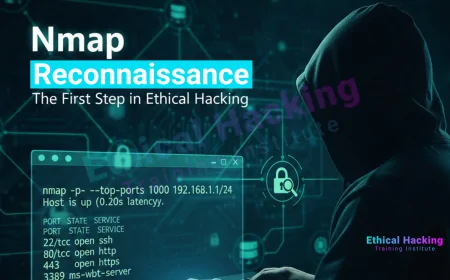
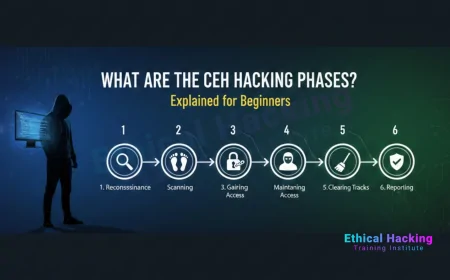
CEH focuses on specific attacker techniques and tools across many domains, including footprinting and reconnaissance, scanning and enumeration, system hacking, web application vulnerabilities, wireless attacks, and social engineering. The exam and accompanying practical components are organized around how to perform ethical hacking in a controlled environment and how to report findings.
Practical Labs and Hands On Requirements
A major difference lies in hands on expectations. Security+ includes performance based questions but is primarily multiple choice and tests conceptual knowledge and applied scenarios. CEH puts a heavier emphasis on hands on exercises, with some training packages including lab time and the CEH practical requiring demonstration of real world skills. For learners who want to progress from concepts to active testing, CEH courses and lab platforms provide step by step lab scenarios and simulated networks for practice. If you are building a study plan, combine conceptual study for Security+ with longer lab sessions for CEH.
Tools, Techniques, and Focus Areas
Security+ introduces tools at a conceptual level to explain defensive controls and detection. It will teach you how firewalls, IDS, and basic encryption are used in practice. CEH is tool centric: students use Nmap for discovery, Metasploit for exploitation, Burp Suite for web testing, Wireshark for packet analysis, and many more. CEH teaches how tools are used by attackers so defenders can better understand and mitigate threats.
Skill Emphasis
- Security+: configuration, policies, incident response, and general network security.
- CEH: reconnaissance, exploitation chains, post exploitation, and vulnerability analysis.
Certification Levels, Costs, and Maintenance
Security+ is an entry to mid level credential with a single exam and CompTIA continuing education (CE) requirements to maintain certification. CEH is positioned as an intermediate certification with more expensive training and exam fees, and the practical component or lab access can add to cost. CEH also requires renewal and continuing education credits to stay current.
When budgeting your training path, include not only the exam voucher but also costs for lab access, practice platforms, and recommended courses. Many learners start with Security+ to validate fundamentals and then invest in CEH labs to gain offensive skills and deeper tool fluency, or they use training resources that compare both tracks to build a combined study plan.
Job Roles and Career Paths
Security+ is ideal for roles like security analyst, junior security engineer, and systems administrator with security responsibilities. CEH prepares you for roles such as penetration tester, red team member, and security consultant who conduct authorized assessments. Both certifications can be stepping stones to more advanced credentials, but CEH tends to align more with offensive career tracks, while Security+ is often a requirement for compliance oriented or defensive positions.
Typical progression
- Start: Security+ to establish baseline security knowledge
- Advance: CEH or other offensive certifications for practical attack skills
- Long term: specialized paths such as OSCP, CISSP, or vendor specific roles
Study Resources and Recommended Learning Approach
For Security+, study resources include vendor neutral books, CompTIA official materials, video courses, and practice tests. For CEH, instructor led courses, lab subscriptions, and guided practice are recommended because the subject requires hands on repetition to internalize tools and attack workflows. If you prefer a blended approach, use Security+ materials to build theory and then invest in CEH style labs to convert theory into practical capability. Many students use free and paid platforms to supplement learning; curated resources are valuable when you need structured practice and step by step exercises.
Which Certification Should You Choose?
Your choice depends on background, goals, and resources. If you are new to security and want a recognized foundation, CompTIA Security+ is the best starting point. If you already have some IT or security experience and aim to work in penetration testing or offensive security, CEH is a better match because of its practical focus. For many professionals, the path is sequential: Security+ first, followed by CEH and then specialized offensive or defensive certifications. Ultimately, align certification choice with the job roles you want and the hands on practice you can commit to.
CEH is stronger on offensive techniques including web application testing and labs, while Security+ focuses on core security controls, and many learners bridge both tracks by practicing on dedicated webapps environments as they progress.
When preparing, combine official study guides with hands on practice and supplement your reading with curated resources to cover both conceptual and practical gaps efficiently.
To compare deeper differences between certifications and their practical expectations you can review detailed comparison articles that show how CEH aligns with other offensive certifications to help you compare paths and outcomes.
As you study, pay attention to protecting accounts and practicing safe security habits, because the practical scenarios in CEH and real world jobs will require strong operational hygiene for account and credential security, as described in this practical guide to protecting accounts.
Comparison Table: CEH vs CompTIA Security+
| Feature | CompTIA Security+ | Certified Ethical Hacker (CEH) |
|---|---|---|
| Primary focus | Fundamental security concepts, defense, risk | Offensive security, ethical hacking techniques |
| Hands on | Some performance based questions | Lab heavy, practical exercises recommended |
| Exam format | Multiple choice and performance items | Multiple choice; training often includes lab access and a practical exam option |
| Experience level | Entry to early career | Intermediate, benefits from prior IT or security experience |
| Typical job roles | Security analyst, junior security engineer | Penetration tester, ethical hacker, security consultant |
Conclusion
CEH and CompTIA Security+ both serve important roles in a cybersecurity career. Security+ builds a broad, vendor neutral foundation useful for entry level roles and for understanding defensive controls. CEH expands into offensive methods and tool usage that are essential for testing and assessing real world security from an attacker perspective. Many professionals start with Security+ and progress to CEH, combining strong theoretical knowledge with lab based practice to become well rounded. Choose the certification that matches your current skill level and career goals, and consider using structured training from institutes like the Ethical Hacking Training Institute to gain the practical lab experience required for CEH success.
Frequently Asked Questions
Which certification is better for beginners?
CompTIA Security+ is generally better for beginners because it covers foundational security knowledge and requires less prior experience than CEH.
Can I take CEH without prior experience?
Technically yes, but CEH assumes a certain level of technical competence. Many candidates benefit from prior IT or security experience or instructor led training that includes labs.
Does Security+ include hands on practice?
Security+ includes performance based questions, but it is not as lab intensive as CEH. Hands on practice is still recommended for better understanding.
Is CEH more expensive than Security+?
CEH training and lab access can be more costly due to extensive labs and specialized content. Security+ generally has lower training and exam costs.
Which job roles expect CEH?
Roles such as penetration tester, red team member, or security consultant commonly expect CEH or similar offensive experience.
Which jobs prefer Security+?
Security analyst, compliance roles, and generalist security positions often list Security+ as a preferred certification.
Can I prepare for both certifications simultaneously?
Yes, you can study Security+ topics for fundamentals and add CEH labs gradually. A sequential approach often works best: Security+ first, CEH next.
Do employers value both equally?
They value them for different reasons. Security+ validates broad foundational skills, while CEH demonstrates offensive and practical skills; employers choose based on role requirements.
Is CEH the only offensive security certification?
No. There are others such as OSCP that focus even more on hands on exploitation and practical tests.
How long does it take to prepare for each?
Preparation time varies. Security+ can be prepared in a few months with consistent study. CEH typically requires more time for labs and practical skill building.
Do either certification require renewal?
Yes, both require continuing education or renewal to remain current: CompTIA uses CE credits, and CEH requires ongoing education credits as well.
Which certification helps with penetration testing jobs?
CEH is more directly aligned with penetration testing careers; Security+ provides a foundation that supports many security related roles.
Are there official training providers for CEH?
Yes, EC-Council and authorized training partners offer official CEH courses and lab packages; the Ethical Hacking Training Institute is one example of a provider offering lab focused learning.
Which certification should I choose for long term growth?
Many professionals start with Security+ for a strong foundation, then add CEH and other specialized certifications as they move into offensive or advanced security roles. Both can be part of a long term career plan.
What's Your Reaction?
 Like
0
Like
0
 Dislike
0
Dislike
0
 Love
1
Love
1
 Funny
0
Funny
0
 Angry
1
Angry
1
 Sad
1
Sad
1
 Wow
0
Wow
0