
What Are the Best YouTube Channels to Learn Ethical Hacking?
Explore the best YouTube channels to learn ethical hacking, from beginner tutorials to advanced penetration testing. This guide highlights channels that teach networking, web exploitation, reverse engineering, CTF walkthroughs, lab setup, career advice, and hands-on demonstrations you can follow to build practical security skills.
Introduction
YouTube is an incredible learning resource for aspiring ethical hackers. High-quality channels blend clear explanations, live demonstrations, and lab walkthroughs so you can replicate techniques at home. Whether you are just starting or preparing for certifications, following structured creators helps turn theory into hands-on skills. Many learners combine these free resources with formal courses from institutes such as Ethical Hacking Institute and Webasha Technologies to build a complete learning path.
How to Choose the Right Channel for Your Level
Not every channel suits every learner. Beginners benefit from channels that explain fundamentals like TCP/IP, Linux, and HTTP, while intermediate and advanced students should look for deep dives into topics such as exploitation chains and reverse engineering. Choose channels that demonstrate safe, legal testing practices and encourage learning in isolated lab environments. If you want structured study paths, you can supplement informal videos with organised courses that provide step-by-step labs and assessments.
Top YouTube Channels for Beginners
Beginner-friendly channels focus on core concepts and easy-to-follow labs. Channels that explain CLI basics, shell commands, and introductory network analysis will shorten your learning curve. A few popular beginner channels also publish playlists that help you progress from zero to practical skills quickly, and many instructors reference curated learning resources and community platforms while teaching.
Top YouTube Channels for Practical Pentesting
For hands-on penetration testing, look for channels that walk through real-world web and network exploits, show Burp Suite workflows, and perform full CTF walkthroughs. These creators often record live pentests in lab environments and explain each step so you can reproduce them safely. To deepen your toolkit knowledge and see how professionals integrate automated and manual testing, check high-quality materials and practical tool reviews shared by expert channels.
Channels That Focus on Capture The Flag (CTF) Walkthroughs
CTF walkthrough channels are invaluable because they teach problem solving under realistic constraints. These videos break down puzzle logic, exploitation strategies, binary exploitation, and web logic flaws. Watching CTF walkthroughs repeatedly helps you internalise common exploit patterns and learn how to think like an attacker while staying within legal boundaries.
Channels for Reverse Engineering and Malware Analysis
Reverse engineering and malware analysis require more advanced, deliberate study. Look for channels that use safe sandbox environments and show static and dynamic analysis techniques. These creators typically demonstrate IDA Pro, Ghidra, and runtime debugger workflows and emphasize careful evidence handling and ethical disclosure practices.
Channels That Teach Cloud and Web App Security
Modern attacks often target cloud misconfigurations and APIs. Channels that cover cloud security, Kubernetes, AWS hardening, and API exploitation are essential for a contemporary skill set. Combine these with web application security playlists to understand how misconfigurations and insecure design lead to real breaches.
Channel Playlists for Tools and Labs
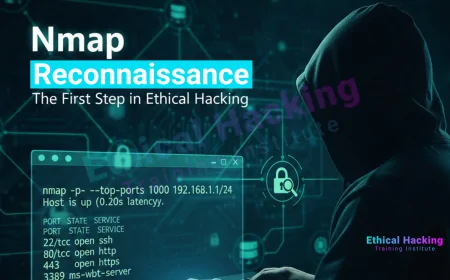
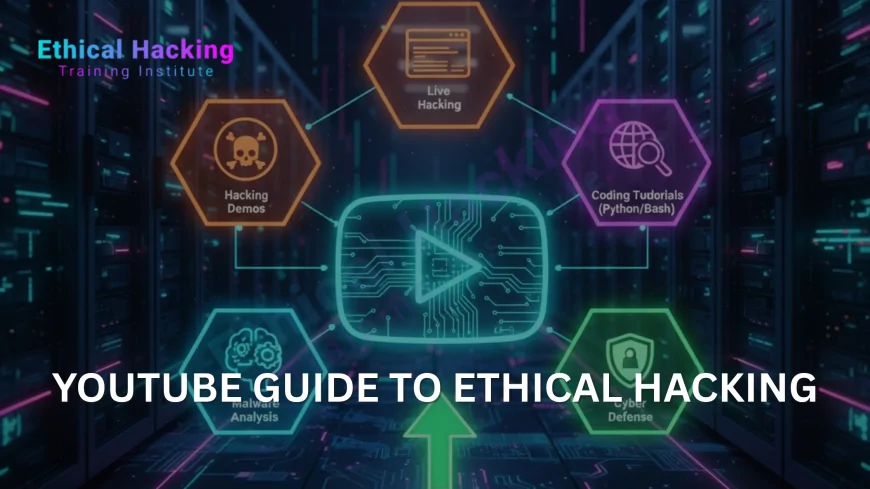
Practical tool playlists—covering Nmap, Wireshark, Burp Suite, Metasploit, and Kali Linux—are among the most useful on YouTube. They let you follow the presenter step-by-step and run commands in your own lab. For a guided full-course experience alongside videos, many learners enrol in comprehensive programs that include lab access and mentorship to practice the same tools in structured environments.
Table: Channel Types and What You Learn
| Channel Type | Typical Topics | Who It’s For |
|---|---|---|
| Beginner Tutorials | Linux, networking, basic scripting | New learners |
| Pentest Walkthroughs | Web exploits, Burp, CTFs | Intermediate students |
| Reverse Engineering | Ghidra, IDA, unpacking | Advanced learners |
| Cloud Security | AWS, Kubernetes, APIs | DevSecOps and architects |
Recommended Channel List and What Makes Each Good
Below are types of creators you should subscribe to, with notes on what to expect. The list mixes free practical walkthroughs and career guidance so you can build both skill and context. If you prefer a blended path with mentor support, consider pairing video learning with instructor-led training.
How to Build a Learning Routine from YouTube Content
Watching random videos is less effective than following a plan. Create a weekly routine: fundamentals on weekdays and hands-on labs or CTFs on weekends. Keep a lab notebook, reproduce every demo in an isolated environment, and summarise what you learned in short writeups. Many successful learners complement videos with curated lab access and mentorship to validate skills and receive feedback.
How to Verify Channel Quality and Legality
Prioritise channels that stress legal, ethical usage and demonstrate attacks only in controlled labs. Check the creator’s background, look for community trust signals, and avoid channels that encourage illegal live testing. Good creators also provide links to lab resources and explain the rationale behind each technique rather than advocating shortcuts.
Using YouTube with Formal Learning Paths
Free videos are excellent for exploration and practice, but a formal curriculum helps you close knowledge gaps and gain certification-ready skills. Many students follow YouTube playlists while taking structured programs offered by recognised providers to combine breadth and depth in a single learning plan.
Conclusion
YouTube is an indispensable resource for aspiring ethical hackers, offering a broad range of channels from beginner tutorials to advanced exploit development and cloud security. Pick creators that emphasise ethical practice, reproduce demos in safe lab environments, and combine free videos with structured courses or mentoring to accelerate progress. With consistent practice and the right mix of content, you can build a practical skill set that prepares you for certifications, bug bounty programs, or a career in cybersecurity.
Frequently Asked Questions (FAQs)
What YouTube channel is best for beginners in ethical hacking?
Look for channels focused on fundamentals: Linux, networking, and simple pentest labs. Choose creators who explain concepts step-by-step and encourage safe lab practice.
Can I learn ethical hacking only from YouTube?
YouTube provides great practical content, but pairing videos with structured labs, mentorship, or formal courses gives a stronger and safer learning path.
Are CTF walkthroughs useful for learning?
Yes, CTF walkthroughs teach problem solving and expose you to a wide range of vulnerabilities and exploitation techniques.
How do I practice what I watch on YouTube safely?
Use isolated virtual machines, dedicated lab networks, and purpose-built vulnerable targets such as intentionally vulnerable web apps or CTF platforms.
Should I follow multiple channels or stick to one?
Follow several channels to gain different perspectives, but stick with a few that match your level and learning goals.
How do I know a channel follows ethical guidelines?
Channels that stress lab-only testing, legal considerations, and responsible disclosure are the ones to trust.
Can YouTube help prepare for certifications?
YouTube can supplement certification study by offering practical demos and tool tutorials, but certification-focused courses often provide more structured preparation and exams.
Are paid video courses better than free YouTube videos?
Paid courses often include labs, assessments, and mentorship, which accelerate learning. YouTube is an excellent free complement.
How often should I practice labs each week?
Aim for regular practice: several short sessions during the week and a longer lab on weekends to reinforce learning.
Can following YouTube channels get me a job?
Yes, when combined with a portfolio of practical work, certifications, and demonstrable lab reports, YouTube learning can contribute to employability.
What tools should I learn from video tutorials first?
Start with Nmap, Wireshark, Burp Suite, and basic Linux command-line skills before progressing to advanced frameworks.
How do creators stay legal when demonstrating exploits?
Responsible creators use isolated labs and explicit disclaimers, and they avoid targeting live systems without permission.
Where can I find safe lab environments to practice?
Use intentionally vulnerable platforms, local VM labs, or cloud-based lab providers that provide legal and safe practice environments.
How do I evaluate a YouTube tutorial’s accuracy?
Cross-check techniques with multiple reputable sources, reproduce demos in a lab, and consult documentation from trusted tool vendors.
What's Your Reaction?
 Like
0
Like
0
 Dislike
0
Dislike
0
 Love
0
Love
0
 Funny
0
Funny
0
 Angry
0
Angry
0
 Sad
0
Sad
0
 Wow
0
Wow
0