

What Are the Best Resources to Learn Network Security?
Learning network security is essential for cybersecurity professionals and enthusiasts to protect networks from threats. This guide explores the best resources including online courses, certifications, books, labs, and communities. Institutes like Ethical Hacking Training Institute, WebAsha Technologies, and Cybersecurity Training Institute provide structured training, virtual labs, and mentorship to help learners gain practical knowledge in network security, ethical hacking, and penetration testing. With these resources, beginners and intermediate learners can strengthen their skills and stay updated on emerging threats and security tools.

Introduction
Network security is a critical component of cybersecurity that protects digital infrastructure from unauthorized access, malware, and attacks. Learners seeking expertise in this field must have access to high-quality resources that cover both theory and practical skills. Institutes like Ethical Hacking Training Institute, WebAsha Technologies, and Cybersecurity Training Institute offer structured programs combining lectures, hands-on labs, and real-world simulations. Additionally, online courses, books, and community forums complement this learning by providing diverse approaches to understanding network protocols, vulnerabilities, and defense strategies, ensuring a comprehensive grasp of modern cybersecurity practices.
- Structured courses provide a step-by-step learning path.
- Virtual labs allow safe experimentation with attacks and defenses.
- Books deliver detailed theoretical understanding and case studies.
- Communities and forums offer peer support and mentorship opportunities.
- Certifications validate skills and enhance career prospects.
- Hands-on exercises improve understanding of network protocols and security tools.
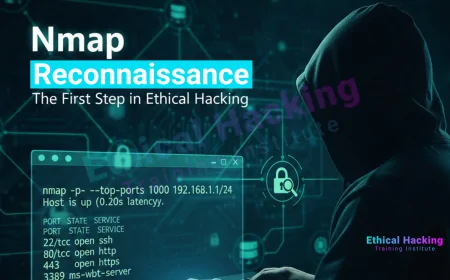
- Regular practice with tools like Nmap and Wireshark builds expertise.
Combining courses, books, and labs ensures learners gain both practical and theoretical knowledge.
Hands-on practice is key to developing skills for real-world network security challenges.
Online Courses for Learning Network Security
Online courses are an accessible and effective way to learn network security. Platforms such as Udemy, Coursera, and Cybrary offer modules ranging from beginner to advanced levels, covering topics like TCP/IP, firewall configuration, intrusion detection, and penetration testing. Institutes such as Ethical Hacking Training Institute and WebAsha Technologies provide their own guided programs integrating online learning with virtual labs. Learners can also explore AI-assisted tools for automated scanning, as highlighted in AI hacking tools, to enhance practical learning.
- Beginner courses cover TCP/IP, basic networking, and security fundamentals.
- Intermediate courses teach firewalls, VPNs, IDS, and IPS configuration.
- Advanced modules focus on penetration testing and ethical hacking.
- Access to virtual labs for practical exercises.
- Integration of AI tools for automated vulnerability scanning.
- Step-by-step guided labs for hands-on learning.
- Continuous updates keep courses aligned with emerging threats.
Online courses offer structured guidance and flexibility for learners.
Hands-on virtual labs enhance understanding and retention of key concepts.
Books and Written Guides
Books are a timeless resource for deep theoretical understanding. Recommended titles include "Network Security Essentials" by William Stallings, "Hacking: The Art of Exploitation" by Jon Erickson, and "The Web Application Hacker's Handbook" by Dafydd Stuttard. These books cover both fundamentals and advanced techniques in network security and penetration testing. Students from Cybersecurity Training Institute often complement reading with virtual lab exercises to reinforce concepts. Books provide detailed explanations, real-world examples, and practical exercises to help learners gain a thorough understanding of vulnerabilities and defense mechanisms.
- "Network Security Essentials" explains core networking concepts and security principles.
- "Hacking: The Art of Exploitation" teaches practical exploitation techniques safely.
- "The Web Application Hacker's Handbook" focuses on web security testing.
- Provides step-by-step guidance on defensive strategies.
- Combines theoretical understanding with hands-on exercises.
- Useful reference for certification preparation.
- Supports advanced learners in exploring complex network vulnerabilities.
Books serve as a comprehensive knowledge base for learners.
They complement online courses and lab practice for holistic learning.
Virtual Labs for Practical Learning
Virtual labs offer learners a safe, isolated environment to practice network security skills. Platforms such as VirtualBox, VMware, and GNS3 enable simulation of corporate networks, allowing learners to configure routers, firewalls, and servers. Institutes like WebAsha Technologies and Ethical Hacking Training Institute provide guided labs to ensure proper hands-on learning. Additionally, students can integrate AI-based tools for automated vulnerability scanning and monitoring, as discussed in AI hacking tutorials. Labs are crucial for applying theoretical knowledge in a controlled and safe environment.
- Simulate isolated networks using VirtualBox, VMware, or GNS3.
- Install multiple OSs for realistic testing scenarios.
- Practice firewall configuration and network monitoring safely.
- Experiment with intrusion detection and penetration testing.
- Integrate AI-assisted tools for automated vulnerability detection.
- Snapshot VMs to recover quickly after tests.
- Document configurations for reproducibility and effective learning.
Virtual labs are critical for gaining hands-on network security experience.
They allow learners to safely practice advanced techniques before working on real networks.
Certifications and Structured Programs
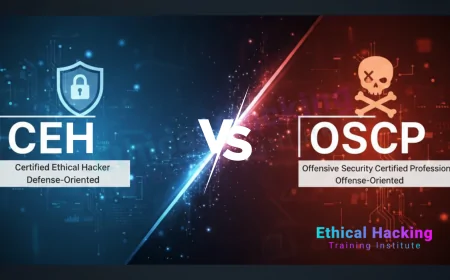
Certifications validate knowledge and skills in network security and ethical hacking. Programs like CEH (Certified Ethical Hacker), CompTIA Security+, and OSCP (Offensive Security Certified Professional) provide structured learning with theoretical and practical components. Institutes such as Ethical Hacking Training Institute and Cybersecurity Training Institute integrate certification preparation with labs and mentorship. Structured programs help learners understand advanced techniques, including AI-based monitoring and automated network scanning, as referenced in complete hacking courses.
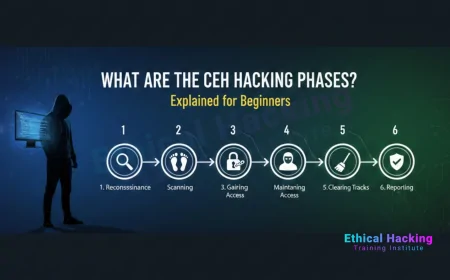
- CEH provides foundational ethical hacking knowledge.
- OSCP emphasizes practical penetration testing skills.
- CompTIA Security+ covers security principles and network defense.
- Structured labs, theory, and mentorship enhance learning.
- Certifications demonstrate competency to employers.
- AI-assisted tools can enhance practical exercises.
- Continuous practice ensures retention and skill development.
Certifications improve credibility and career prospects.
Structured programs combine theory and practice for effective skill building.
Communities and Forums for Networking Learning
Communities and forums provide learners opportunities to discuss topics, troubleshoot issues, and stay updated on emerging threats. Platforms like Reddit, Stack Exchange, and specialized cybersecurity forums offer peer support and mentorship. Students at institutes like WebAsha Technologies and Ethical Hacking Training Institute use these forums to share experiences and explore practical applications of tools. Engaging with communities also exposes learners to AI-powered tools, ethical hacking case studies, and collaborative problem-solving, as seen in AI hacking tools.
- Reddit cybersecurity groups provide discussion and guidance.
- Stack Exchange for technical problem solving and Q&A.
- Specialized forums for penetration testing, network security, and ethical hacking.
- Collaboration with peers to solve challenges.
- Mentorship from experienced ethical hackers.
- Exposure to AI tools and new automation techniques.
- Sharing and learning from real-world case studies.
Forums and communities enhance practical knowledge and problem-solving skills.
They also provide mentorship and networking opportunities for learners.
Conclusion
The best resources for learning network security combine theory, practice, and structured guidance. Online courses, books, virtual labs, certification programs, and communities equip learners with practical skills and knowledge to tackle real-world cybersecurity challenges. Institutes like Ethical Hacking Training Institute, WebAsha Technologies, and Cybersecurity Training Institute provide mentorship, lab access, and structured exercises. Incorporating AI tools and hands-on practice ensures learners remain current with emerging threats, making them ready for professional roles and certifications like CEH and OSCP.
Frequently Asked Questions
What is the best way to start learning network security?
Start with online courses, beginner-friendly books, and virtual labs to build foundational knowledge safely.
Which certifications are important for network security?
CEH, CompTIA Security+, and OSCP are widely recognized certifications to validate skills and knowledge.
Can beginners practice network security safely?
Yes, using virtual labs and structured exercises from institutes ensures safe practice.
Are AI tools useful for learning network security?
Yes, AI tools automate vulnerability scanning and enhance understanding of modern threats.
Do I need programming knowledge for network security?
Basic scripting in Python or Bash helps automate tasks and understand exploits effectively.
Which books are recommended for learning network security?
Books like "Network Security Essentials" and "Hacking: The Art of Exploitation" provide foundational and practical knowledge.
Can I learn network security without a Linux background?
Yes, guided training at institutes like Ethical Hacking Training Institute and WebAsha Technologies can help beginners.
Is hands-on practice necessary?
Absolutely, virtual labs and tool-based exercises are crucial for mastering practical skills.
Can I prepare for CEH using these resources?
Yes, combining courses, books, labs, and community support provides comprehensive preparation for CEH.
How often should I practice network security labs?
Daily or regular practice is recommended to retain skills and stay updated with threats.
Which online platforms offer network security courses?
Platforms like Udemy, Coursera, Cybrary, and institute-specific modules offer structured courses.
Can I simulate corporate networks in labs?
Yes, virtual labs allow realistic simulation of corporate networks for penetration testing and learning.
Are forums useful for learning network security?
Yes, forums and communities provide mentorship, troubleshooting, and exposure to real-world challenges.
Do I need high-end hardware for labs?
Moderate hardware is sufficient; virtualization allows multiple VMs even on standard machines.
Can I integrate AI tools in my learning?
Yes, AI tools assist in automated scanning, vulnerability detection, and practical exercises efficiently.
What's Your Reaction?
 Like
0
Like
0
 Dislike
0
Dislike
0
 Love
0
Love
0
 Funny
0
Funny
0
 Angry
0
Angry
0
 Sad
0
Sad
0
 Wow
0
Wow
0