
What Are the Best Cybersecurity Tools for Beginners?
Discover the best cybersecurity tools for beginners, from network scanners and vulnerability scanners to packet analyzers and learning platforms. This guide explains what each tool does, when to use it, and practical tips to get started safely and legally.
Introduction
Starting in cybersecurity can feel overwhelming because so many tools and techniques exist. The good news is beginners do not need to learn every advanced tool at once. A small, practical toolkit and the right learning path produce faster progress and better outcomes. This guide highlights essential tools across categories, explains their purpose in simple language, and gives clear next steps so you can practice safely in labs and approved environments.
Understanding Tool Categories
Cybersecurity tools generally fall into categories based on their purpose. Examples include network discovery, vulnerability scanning, web application testing, packet analysis, password auditing, and learning platforms. Each category solves a distinct problem. For example, network discovery finds live hosts and open ports, while vulnerability scanners search for known software flaws. Beginners benefit most by learning one tool from a few categories and understanding the workflow from discovery to verification and reporting.
As you map your learning, focus first on tools that teach foundational concepts like how networks operate, how HTTP works, and how authentication and sessions function. A small step forward each week builds a practical skillset.
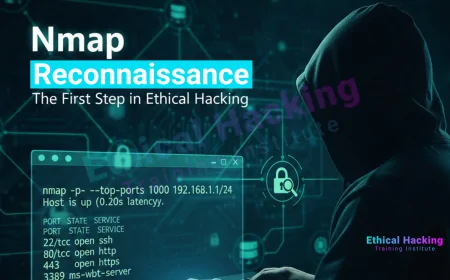
Start hands-on practice with a simple scanner such as Nmap, which reveals hosts, open ports, and basic service banners to help beginners see what is visible on a network.
Essential Network Scanning Tools
Network scanning is usually the first step in any security assessment. It identifies which systems respond, which ports are open, and often which services are running. Beginners should learn one reliable scanner and how to interpret its output. Key tasks include host discovery, port scanning, service fingerprinting, and simple version detection.
Recommended starter tools:
- Nmap: The standard network scanner for host and port discovery, scripting, and basic fingerprinting.
- Zenmap: A graphical front end for Nmap that helps beginners visualize results.
Vulnerability Scanners for Beginners
Vulnerability scanners automate the detection of known security issues in software and configuration. For beginners, these tools teach how vulnerabilities are categorized and reported. Start with low-risk scans in lab environments to avoid harming production systems. Understand scanner output and learn how to validate findings manually, because automated tools can produce false positives.
Recommended starter tools:
- OpenVAS / Greenbone: An open-source vulnerability scanner that finds many common issues.
- Nessus (Home): A widely used scanner with a free home version suitable for learning.
As you progress, explore how modern attackers and researchers use AI to triage scanner results, but always validate automated flags before assuming they are exploitable.
Web Application Testing Tools
Web apps power many targets, so learning web testing tools is essential. These tools help you intercept traffic, modify requests, and test inputs to find issues like injection and broken authentication. Beginners should first understand HTTP basics and then practice sending and modifying requests in a safe lab environment.
Recommended starter tools:
- Burp Suite Community: An intercepting proxy that lets you capture and modify web requests. It is central to learning web testing workflows.
- OWASP ZAP: An open-source proxy and scanner that is beginner friendly and integrates well into learning environments.
Packet Analysis and Traffic Inspection
Packet analyzers allow you to inspect network traffic at a low level. This helps you understand protocols, identify insecure plaintext transmissions, and spot suspicious patterns. For beginners, the focus should be on reading captures, following TCP streams, and extracting useful information without violating privacy or law.
Recommended starter tools:
- Wireshark: The industry standard for packet capture and analysis, with powerful filters and visualizations.
- tcpdump: A lightweight command line capture tool useful for quick inspections and scripts.
When practicing, pair packet analysis with controlled labs and guided material from a course so you learn what to look for and how to interpret findings responsibly.
Password Auditing and Authentication Tools
Understanding authentication is critical. Password auditing tools demonstrate how weak passwords and reused credentials are exploited. Use these tools only in labs or on systems you own or have explicit permission to test. Focus on understanding hashing, rate limiting, and multi factor authentication rather than destructive cracking exercises.
Recommended starter tools:
- Hashcat: A powerful password recovery tool used to learn about password strength and hash types.
- Hydra: A network login cracker useful to demonstrate the importance of rate limiting and MFA in controlled environments.
Learning Platforms, Labs, and Structured Paths
Practical learning matters more than tool count. Use intentionally designed labs and CTF platforms to practice legally and safely. These platforms provide scenarios that teach the full workflow: reconnaissance, exploitation, and remediation. Structured courses blend theory with hands-on labs and accelerate learning by providing curated exercises and step-by-step guidance.
Recommended resources:
- TryHackMe: Beginner friendly guided rooms with stepwise tasks and explanations.
- VulnHub: Downloadable vulnerable VMs for local practice.
- Hack The Box: Progressive challenges for practical offensive and defensive skills.
If your goal is a structured learning path with labs and assessments, consider a guided training program that matches your pace and career goals.
Building a Practical Beginner Toolkit
A helpful beginner toolkit includes one tool from each essential category, configured for safe practice. Example starter set:
- Network discovery: Nmap
- Vulnerability scanning: OpenVAS or Nessus (home)
- Web testing: Burp Suite Community or OWASP ZAP
- Packet analysis: Wireshark
- Password auditing: Hashcat (lab only)
- Learning & labs: TryHackMe or VulnHub
Start small: install these tools in a virtual lab on your own machine, use intentionally vulnerable VMs, and record what you learn. Keep notes on commands, filter expressions, and interesting outputs so you can reproduce learning steps later.
Conclusion
Beginners make the most progress by focusing on a few foundational tools and practicing consistently in safe environments. Learn network fundamentals, practice scanning and web testing workflows, and use packet analysis to validate what happens on the wire. Combine tools with structured labs and repeat exercises until the workflows become intuitive. Over time, expand your toolkit and consider formal training or certification if you aim for a professional role. Always practice ethically, with permission, and within legal boundaries.
Quick Reference Table: Tools and Use Cases
| Tool | Category | Beginner Use |
|---|---|---|
| Nmap | Network discovery | Find hosts, open ports, basic fingerprinting |
| OpenVAS / Nessus | Vulnerability scanning | Identify known CVEs and config issues |
| Burp Suite / ZAP | Web testing | Intercept and modify HTTP requests |
| Wireshark | Packet analysis | Inspect protocols, follow TCP streams |
| TryHackMe / VulnHub | Learning labs | Guided exercises and vulnerable VMs |
Frequently Asked Questions
Which tool should I learn first as a beginner?
Start with Nmap to understand network discovery and services. It gives fast, visible results and helps you learn how hosts and ports are exposed.
Are these tools legal to use on other people's systems?
No. Only run scans and tests on systems you own or where you have explicit permission. Unauthorized testing can be illegal and cause harm.
Do I need to know programming to use these tools?
No, not initially. Basic command line skills and networking knowledge are more important at the start. Programming helps later for scripting and automation.
How do I practice safely?
Use virtual machines, intentionally vulnerable boxes like those on VulnHub, or platforms such as TryHackMe and Hack The Box that provide legal practice environments.
Will taking a course speed up learning?
Yes. Structured courses that combine theory with labs accelerate understanding because they provide curated exercises, context, and a safe environment to practice.
What is the difference between Burp Suite and OWASP ZAP?
Both are intercepting proxies. Burp Suite has more advanced paid features and an industry standard interface, while OWASP ZAP is open source and beginner friendly with many similar capabilities.
Should I try password cracking tools?
Only in a lab. Password cracking demonstrates why strong hashes and rate limits matter, but performing cracking on unauthorized accounts is illegal.
How do I choose a learning path for cybersecurity?
Start with fundamental networking and Linux skills, then move to tool-based learning: scanning, web testing, and packet analysis. Use labs and progressively harder challenges to build skill.
Do I need a powerful laptop to learn these tools?
No. Most tools run in modest VMs. For heavy password cracking or large-scale scans, more CPU and GPU help, but initial learning works fine on average hardware.
How long does it take to become productive?
With focused study and regular labs, beginners can be productive with core tools in a few months. Mastery takes longer and comes with varied, real world experience.
Can I learn cybersecurity for free?
Yes. Many resources, including hands on labs and community tutorials, are available for free. Paid courses provide structure and mentorship that can speed progress.
What certifications are helpful for beginners?
Entry level certifications like CompTIA Security+ cover foundational concepts. For hands-on roles, structured ethical hacking courses and eventual CEH or equivalent practical certifications are useful.
Should I focus on defensive or offensive tools first?
Both perspectives help. Offensive tools teach how attackers think, which improves defensive design. Start with offensive basics in a lab to understand common attack patterns, then use defensive tools to see how to detect and mitigate them.
How do I keep learning after initial tools?
Gradually add deeper topics: exploit development, web app logic testing, cloud security, and incident response. Join community forums, follow blogs, and participate in CTFs to stay current.
Where can I find structured courses for beginners?
If you prefer instructor led or structured lab-based programs, check certified and reputable course providers and local training options that match your goals and budget.
What's Your Reaction?
 Like
0
Like
0
 Dislike
0
Dislike
0
 Love
0
Love
0
 Funny
0
Funny
0
 Angry
0
Angry
0
 Sad
0
Sad
0
 Wow
0
Wow
0