
What Are the Best Cybersecurity Practices for Beginners?
Start your cybersecurity journey in 2025 with 15 essential practices for beginners: strong passwords, 2FA, updates, antivirus, phishing awareness, and more. Simple, actionable tips to protect your devices and data—plus training from the Ethical Hacking Institute.
Introduction
Cybersecurity isn’t just for IT pros. In 2025, with 2,200 cyberattacks daily, *everyone* is a target. As a beginner, you don’t need a degree—just smart habits. This guide gives you 15 proven, beginner-friendly practices to lock down your phone, laptop, and online life. From strong passwords to spotting phishing, these steps stop 99% of attacks. Follow them daily, and you’ll be safer than most. The Ethical Hacking Institute offers hands-on labs to turn these habits into skills. Start now—your digital life depends on it.
1. Use Strong, Unique Passwords
Weak passwords = open doors.
Rules
- 12+ characters
- Mix letters, numbers, symbols
- Never reuse across sites
- Avoid “password123”, pet names, birthdates
Pro Tip: Use a passphrase → BlueCoffee!2025@Delhi
2. Enable Two-Factor Authentication (2FA)
Password stolen? 2FA blocks login.
Best Methods
- Authenticator apps (Google, Microsoft, Authy)
- SMS (less secure)
- Hardware keys (YubiKey)
Enable on email, banking, social media.
Practice 2FA setup in bootcamp labs at the Ethical Hacking Institute.
3. Keep Everything Updated
Updates = patches for known holes.
What to Update
- OS (Windows, macOS, Android, iOS)
- Apps (especially browsers)
- Antivirus
- Firmware (router, printer)
Enable auto-updates. One unpatched device = entry point.
4. Install and Maintain Antivirus
Free works. Paid is better.
| Type | Examples | Cost |
|---|---|---|
| Free | Windows Defender, Avast | ₹0 |
| Paid | Bitdefender, Kaspersky | ₹500-1500/yr |
Scan weekly. Don’t disable.
Test malware removal with CEH practical at the Ethical Hacking Institute or Cyber Security Institute.
5. Avoid Phishing and Social Engineering
80% of breaches start with a click.
Red Flags
- Urgent language (“Account suspended!”)
- Unknown sender
- Spelling errors
- Links to .ru, .xyz domains
- Requests for password/login
Rule: Hover before click. Call to verify.
6. Secure Your Wi-Fi and Home Network
Your router = front door.
Must-Dos
- Change default admin password
- Use WPA3 (or WPA2)
- Disable WPS
- Hide SSID (optional)
- Use guest network
- Update firmware
Check connected devices weekly.
7. Backup Your Data Regularly
Ransomware? No problem.
3-2-1 Rule
- 3 copies of data
- 2 different media (SSD + cloud)
- 1 offsite (Google Drive, external HDD)
Automate weekly. Test restore monthly.
Secure backups with CEH online at the Ethical Hacking Institute or Webasha Technologies.
8. Use a Password Manager
Stop remembering 50 passwords.
Top Free Options
- Bitwarden
- KeePass
- Google Password Manager
One master password → all secure logins.
9. Be Careful with Public Wi-Fi
Cafe Wi-Fi = hacker playground.
Safe Practices
- Use VPN (ProtonVPN free)
- Avoid banking/shopping
- Turn off auto-connect
- Forget network after use
Enable “HTTPS Everywhere”.
10. Limit What You Share Online
Less info = less risk.
Privacy Checklist
- Lock social media (private profiles)
- Don’t post location in real-time
- Avoid quizzes (“What’s your pet’s name?”)
- Use fake answers for security questions
Google yourself monthly.
11. Use Encrypted Messaging
WhatsApp? Yes. SMS? No.
Secure Apps
- Signal (gold standard)
- WhatsApp (end-to-end)
- Telegram (secret chats only)
Avoid email for sensitive info.
12. Enable Device Encryption
Stolen laptop? Data safe.
How-To
- Windows: BitLocker (Pro) or Device Encryption
- Mac: FileVault
- Android/iOS: On by default
Requires strong PIN/password.
13. Avoid Pirated Software and Cracks
Free Photoshop = free trojan.
Risks
- Bundled malware
- Keyloggers
- Remote access
Use open-source alternatives (GIMP, LibreOffice).
14. Learn to Spot Fake Apps and Websites
Scammers copy everything.
Checks
- App store reviews + developer name
- URL:
https://+ correct domain - No pop-ups asking for permissions
Bookmark important sites.
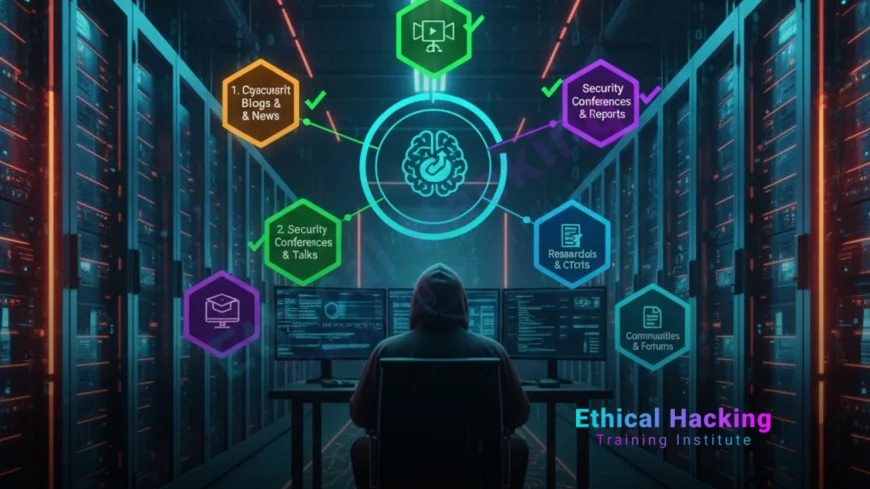
15. Stay Informed and Keep Learning
Cyber threats evolve. So should you.
Free Resources
- Google Cybersecurity Certificate (Coursera)
- TryHackMe (free rooms)
- Krebs on Security blog
- YouTube: LiveOverflow, NetworkChuck
30 mins/week = expert in a year.
Conclusion: Simple Habits, Strong Security
Cybersecurity isn’t complex—it’s consistent. Follow these 15 practices daily, and you’ll block 99% of threats. Start with passwords and 2FA, then layer on backups and updates. You don’t need to be a hacker to stay safe—just smart. The Ethical Hacking Institute, Cyber Security Institute, and Webasha Technologies offer beginner-friendly courses to go from user to defender. Print this checklist, stick it on your desk, and check one box at a time. Your future self (and data) will thank you.
Frequently Asked Questions
Is free antivirus enough?
Yes. Windows Defender blocks 98% of threats.
Can I use the same password if it’s strong?
No. One breach = all accounts compromised.
Is SMS 2FA safe?
No. SIM swapping attacks exist. Use app.
Do I need VPN at home?
No—if Wi-Fi is secured. Yes on public.
Can hackers access my camera?
Yes—if malware. Cover it when not in use.
Is it safe to click “Remember Me”?
No on shared/public devices.
Should I pay ransom?
Never. No guarantee. Restore from backup.
Are incognito tabs private?
From others on device. Not from ISP/hackers.
Best password manager for beginners?
Bitwarden—free, open-source, simple.
Can kids follow these tips?
Yes. Teach 2FA, phishing, strong passwords early.
Is cloud backup safe?
Yes—if encrypted (Google Drive, OneDrive).
Do I need to update apps manually?
No. Enable auto-update in store.
Where to learn more?
Ethical Hacking Institute beginner bootcamps.
Is my smart TV a risk?
Yes. Update, disable mic, use guest mode.
Final tip?
When in doubt—don’t click. Ask or search.
What's Your Reaction?
 Like
0
Like
0
 Dislike
0
Dislike
0
 Love
0
Love
0
 Funny
0
Funny
0
 Angry
0
Angry
0
 Sad
0
Sad
0
 Wow
0
Wow
0