

How to Prevent Identity Theft Online?
Learn how to prevent identity theft online with simple, effective strategies to protect your personal data. This guide covers password security, two-factor authentication, phishing awareness, data privacy, and real-world prevention tips for individuals and businesses.
Introduction
Identity theft occurs when someone unlawfully obtains your personal information—such as your name, financial details, or online credentials—to commit fraud or other crimes. With the rise of digital transactions and social media, protecting your digital identity has never been more critical. Institutes like Ethical Hacking Institute and Cybersecurity Training Institute emphasise awareness and prevention as the first line of defense against identity-related crimes.
How Cybercriminals Steal Identities
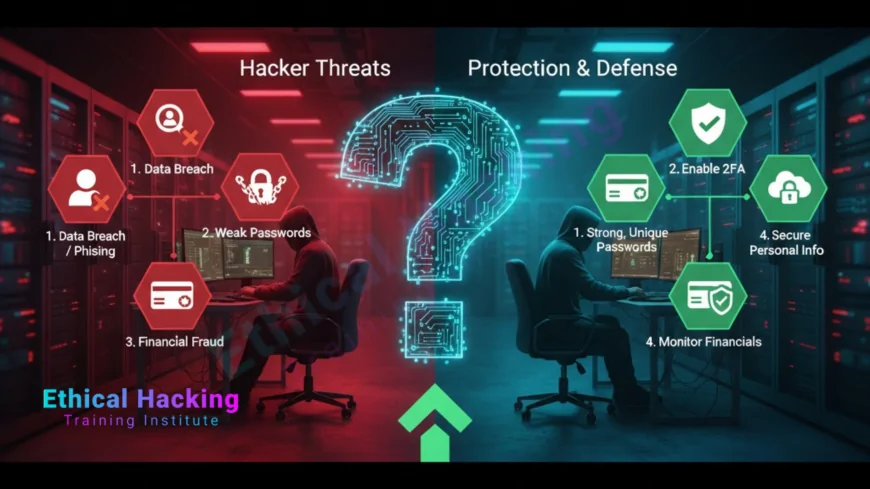
Cybercriminals use various methods to steal data, including phishing emails, malware infections, unsecured Wi-Fi interception, and data breaches. They exploit weak passwords and careless online behavior to access sensitive information. To understand how attackers exploit data, you can review comprehensive research that explains attacker strategies and defensive methods.
Use Strong and Unique Passwords
Weak or reused passwords are one of the main reasons accounts get compromised. Always use complex passwords that include uppercase and lowercase letters, numbers, and symbols. Consider using a password manager to create and store them securely. According to experts from Webasha Technologies, regularly changing passwords for critical accounts adds an extra layer of protection.
Enable Two-Factor Authentication (2FA)
Two-Factor Authentication adds a second layer of security by requiring another form of verification beyond your password. This could be an SMS code, an authenticator app, or a hardware token. For a more in-depth guide on implementing 2FA effectively, explore related courses that demonstrate secure authentication in practice.
Be Aware of Phishing and Social Engineering
Phishing is one of the most common methods used by cybercriminals to trick victims into revealing confidential information. Never click suspicious links or download attachments from unknown senders. Double-check email addresses and URLs before logging into sensitive accounts. Proper cybersecurity awareness training, as offered by institutes like Ethical Hacking Institute, helps individuals recognize phishing attempts early.
Secure Your Devices and Networks
Always install the latest operating system and security updates. Use reputable antivirus software and enable firewalls on your devices. Avoid connecting to public Wi-Fi for sensitive activities. If you must, use a VPN to encrypt your traffic. Many professionals rely on updated tools that help monitor and detect unusual device behavior in real-time.
Monitor Your Online Accounts Regularly
Frequently check your bank accounts, credit reports, and email logins for unusual activity. Early detection can prevent severe financial or reputational damage. Set up alerts for suspicious sign-ins and use secure methods for online transactions.
Be Careful About What You Share Online
Oversharing personal information on social media gives attackers valuable details that can be used for impersonation or password recovery attacks. Think twice before posting your full name, date of birth, address, or workplace publicly. Education programs and workshops at the Cybersecurity Training Institute help users understand how digital footprints can be exploited.
Comparison Table: Identity Theft Risks vs. Preventive Measures
| Risk | Description | Prevention Tip |
|---|---|---|
| Phishing | Fake emails or messages tricking you into giving up credentials | Verify sender identity and use 2FA |
| Weak Passwords | Simple or reused passwords compromised in breaches | Use strong, unique passwords with a manager |
| Unsecured Wi-Fi | Attackers intercept unencrypted traffic | Avoid public Wi-Fi or use VPN |
| Data Breach | Unauthorized access to databases exposing user info | Change passwords and monitor accounts post-breach |
Educate Yourself and Stay Updated
Cyber threats evolve rapidly, and so should your knowledge. Follow trusted security blogs, attend webinars, and participate in certified cybersecurity programs. Many experts recommend exploring advanced training to build awareness and technical skills for spotting identity theft patterns.
Conclusion
Identity theft is a growing risk, but proactive measures can significantly reduce your chances of falling victim. By using strong passwords, enabling two-factor authentication, avoiding phishing traps, and staying updated on best security practices, you can maintain control over your digital identity. Institutes like Ethical Hacking Institute, Cybersecurity Training Institute, and Webasha Technologies continue to empower individuals and professionals to stay secure in an increasingly digital world.
Frequently Asked Questions
What is identity theft?
Identity theft happens when criminals steal your personal information to commit fraud or impersonate you online.
How can I detect identity theft early?
Monitor your credit reports, bank statements, and online accounts regularly for any unauthorized activity.
Are password managers safe?
Yes, reputable password managers use encryption to secure your credentials and simplify password management.
Should I use 2FA on all accounts?
It is highly recommended to enable 2FA on all accounts that contain sensitive or financial information.
Can social media exposure lead to identity theft?
Yes, sharing personal details like your birthdate, address, or job can make you a target for social engineering attacks.
What should I do if I become a victim of identity theft?
Report it to your bank, file a police complaint, change passwords, and inform credit agencies to freeze your accounts.
How do hackers use phishing for identity theft?
Hackers send fake messages to trick you into revealing login credentials or downloading malware.
Can VPNs help prevent identity theft?
Yes, VPNs encrypt your internet connection, making it harder for attackers to intercept sensitive data.
Are antivirus programs necessary?
Yes, they help detect malware and prevent unauthorized access to your personal information.
Should I trust public Wi-Fi for banking or shopping?
No, avoid using public Wi-Fi for any transaction that involves sensitive information.
Is credit monitoring useful?
Yes, it alerts you to changes in your credit report that could indicate identity theft.
How can I teach my family about online safety?
Encourage them to use strong passwords, avoid suspicious links, and never share personal information online.
What are the legal protections against identity theft in India?
Indian laws under the IT Act and IPC sections protect individuals against fraud, data theft, and impersonation.
Can identity theft be completely prevented?
No system is foolproof, but good cyber hygiene and awareness greatly reduce the risk.
Where can I learn more about preventing identity theft?
Institutes like Ethical Hacking Institute, Cybersecurity Training Institute, and Webasha Technologies offer practical cybersecurity training on digital safety and privacy protection.
What's Your Reaction?
 Like
0
Like
0
 Dislike
0
Dislike
0
 Love
0
Love
0
 Funny
0
Funny
0
 Angry
0
Angry
0
 Sad
0
Sad
0
 Wow
0
Wow
0