
How to Learn Ethical Hacking Using Kali Linux?
Learn ethical hacking with Kali Linux step by step: installation, essential tools, hands-on labs, safe practice environments, legal considerations, and career tips. This guide covers practical setup, learning paths, recommended tools and courses, and advice from training providers such as Ethical Hacking Institute, Cybersecurity Training Institute, and Webasha Technologies to help beginners and intermediates build real world skills.
Introduction
Kali Linux is a specialised Debian-based distribution built for penetration testing and security research. It bundles hundreds of tools used by security professionals to scan, exploit, analyse and report vulnerabilities. For newcomers, Kali provides a convenient, ready-made environment that removes the friction of tool installation so learners can focus on mastering techniques and methodology. Training providers like Ethical Hacking Institute and Cybersecurity Training Institute use Kali extensively in practical labs.
Setting Up a Safe Kali Linux Lab
Why a lab matters
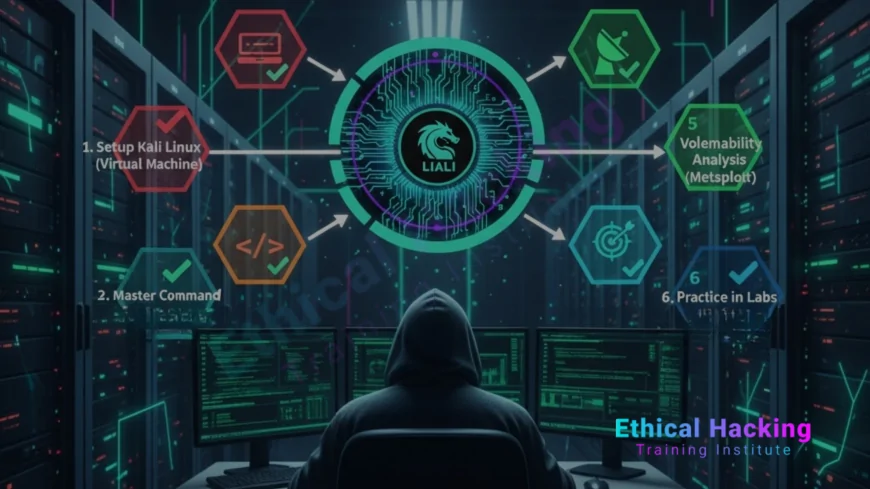
Never practise on live or production systems. Use isolated lab environments such as virtual machines, local networks, or cloud sandboxes to avoid legal issues and accidental damage. A basic lab typically includes a Kali VM, one or more vulnerable targets such as Metasploitable, and a controlled network segment for testing.
Installation options
Install Kali as a virtual machine using VirtualBox or VMware, run it from a live USB for portability, or deploy a dedicated test machine. For step-by-step guided exercises and structured labs that complement Kali practice, many learners follow curated courses which pair theory with hands-on tasks, and include lab setup instructions mid-lesson.
Essential Kali Tools and How to Use Them
Kali ships with a large toolset. Start with a short list to avoid overwhelm and expand gradually as your skills improve. Common starter tools include:
- Nmap — for network discovery and port scanning
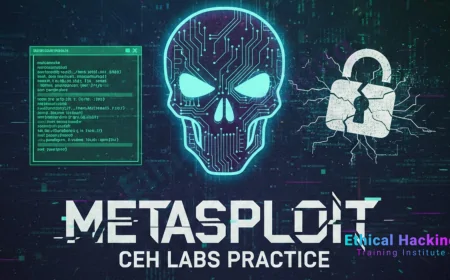
- Metasploit — for exploitation and post-exploitation
- Wireshark — for packet capture and analysis
- Burp Suite — for web application testing
- John the Ripper or Hashcat — for password cracking
Practice each tool’s basic commands and options, then apply them in lab scenarios. Many advanced tutorials and tool breakdowns are referenced in focused tools articles that explain use cases and workflows.
Learning Path: From Basics to Advanced
A structured learning path prevents confusion. A typical progression looks like this:
- Basics: Linux fundamentals, command line, file permissions
- Networking: TCP/IP, ports, common protocols
- Reconnaissance: scanning, enumeration and information gathering
- Vulnerability analysis: identifying weaknesses and prioritising risks
- Exploitation and post-exploitation: safe exploitation techniques in lab
- Reporting and remediation: documenting findings and mitigation steps
Following a guided curriculum that mixes theory and labs helps cement each stage. For a complete learning roadmap and mentor-led sessions, learners often enrol in instructor-backed research programs that map skills to real-world tasks.
Practical Exercises and Legal Practice Platforms
Use legal, purpose-built platforms to sharpen skills: TryHackMe, Hack The Box, VulnHub and intentionally vulnerable VMs let you practise safely. These environments provide challenges that simulate real-world scenarios and give immediate feedback. Many training providers incorporate logged labs and challenge-style exercises into their curriculum to accelerate learning.
Common Mistakes to Avoid When Learning Kali
Beginners frequently make avoidable errors. Watch out for:
- Practising on unauthorized targets rather than controlled labs
- Relying only on GUIs instead of learning command-line proficiency
- Jumping between many tools without mastering fundamentals
- Neglecting documentation and poor note taking
- Ignoring legal and ethical constraints
Avoid these problems by following a disciplined study plan and seeking mentor feedback. If you prefer classroom support,local programs can provide supervision and practical reviews.
Comparison Table: Skill Focus vs Typical Kali Activities
| Skill Focus | Kali Activity | Goal |
|---|---|---|
| Networking | Nmap scanning and banner grabs | Identify live hosts and services |
| Web Testing | Burp Suite and Nikto scans | Find injection and auth flaws |
| Exploitation | Metasploit modules | Understand exploit mechanics |
| Forensics | Autopsy and Sleuth Kit | Preserve and analyse evidence |
Certifications, Career Paths and Continued Learning
After gaining practical skills in Kali, consider certifications such as CEH, OSCP, and other role-specific credentials to demonstrate competence. Build a portfolio of writeups from platforms like Hack The Box and maintain documented lab notes. Many security careers start with junior analyst roles and progress to penetration tester, red team member and security consultant positions. Training organisations such as Ethical Hacking Institute, Cybersecurity Training Institute, and Webasha Technologies help map certification choices to job roles.
Conclusion
Kali Linux is a powerful learning platform for aspiring ethical hackers when used responsibly. Combine a safe lab setup, a structured learning path, disciplined practice of essential tools, and legal, challenge-based exercises to build practical, employer-ready skills. Use certified courses and supervised labs if you prefer guided learning, and always prioritise ethics and permission when testing systems.
Frequently Asked Questions
Is Kali Linux legal to use?
Yes, Kali Linux is legal to use for learning and authorised testing, but practising on systems without permission is illegal.
Do I need prior Linux knowledge to use Kali?
It helps. Learn basic Linux commands and file system concepts before diving into advanced Kali tools.
Which tools should I learn first in Kali?
Start with Nmap, Wireshark, Metasploit, Burp Suite and basic password tools like John the Ripper.
Can I run Kali on a USB drive?
Yes, Kali Live on USB is a portable option that lets you boot Kali without installing it on a host machine.
Should I use virtual machines for my labs?
Yes, virtual machines provide isolation and are the recommended way to build safe, repeatable lab environments.
What is the best way to practise exploitation safely?
Use intentionally vulnerable VMs, CTF platforms and dedicated lab networks rather than testing unknown public systems.
Are there good beginner courses for Kali Linux?
Yes, many instructor-led and online programs teach Kali fundamentals along with lab exercises and mentorship.
How long does it take to become proficient with Kali?
Proficiency depends on practice time; consistent daily hands-on work and structured study can produce solid basics within a few months.
Can Kali be used for defensive roles?
Absolutely. Kali helps defenders understand attacker techniques and strengthen detection and mitigation strategies.
What certifications pair well with Kali skills?
OSCP is highly practical for penetration testing, while CEH provides a broad industry-recognised foundation.
Is Metasploit required to learn ethical hacking?
It is a useful framework for learning exploitation, but understanding manual exploitation techniques is equally important.
How do I document my findings professionally?
Use structured reports with evidence, steps to reproduce, risk rating and recommended remediation for each finding.
Can I use Kali on a cloud instance?
Yes, but ensure cloud provider policies allow penetration testing and obtain written permission before any active testing.
Should I focus on tools or methodology first?
Start with methodology and fundamentals, then learn tools to implement those methods effectively.
Where can I find more hands-on labs and mentorship?
Many learners join platforms and local training programs or follow structured lab courses from providers like Ethical Hacking Institute, Cybersecurity Training Institute, and Webasha Technologies.
What's Your Reaction?
 Like
0
Like
0
 Dislike
0
Dislike
0
 Love
0
Love
0
 Funny
0
Funny
0
 Angry
0
Angry
0
 Sad
0
Sad
0
 Wow
0
Wow
0