


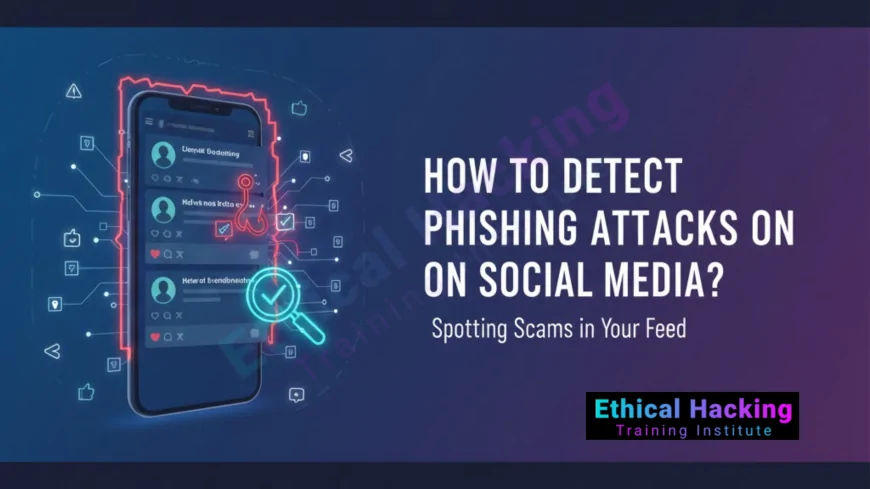
How to Detect Phishing Attacks on Social Media?
Phishing attacks on social media have become one of the most widespread online threats, targeting millions of users every year. These attacks trick people into revealing passwords, banking information, or personal details through fake messages, cloned profiles, or malicious links. Understanding how phishing works and learning the signs of suspicious communication can keep users safe. This blog covers how phishing attacks operate on social platforms, early warning signs, link-verification techniques, and the best protective practices to secure your accounts from online threats.
Introduction
Social media phishing continues to rise as cybercriminals take advantage of users who interact quickly with messages from friends, brands, and influencers. Attackers often use fake links, cloned profiles, or fraudulent giveaways to capture personal information. Because users trust what appears familiar, phishing scams are highly effective across platforms like WhatsApp, Instagram, Facebook, and Twitter. Learning early indicators of danger can help prevent identity theft and account compromise. Additional insights on modern cyber tricks are shared in this resource that discusses evolving digital threats.
Common Social Media Phishing Techniques
Cybercriminals use psychological manipulation to push users into acting without proper verification. Many phishing campaigns mimic official pages, while others disguise themselves as close contacts needing help. Some attackers send malicious links that redirect victims to credential harvesting sites. Fraudsters may also pretend to offer rewards or verification requests to hack accounts. Understanding these methods helps users spot red flags much earlier, and resources like this article offer useful awareness about current cyber manipulation tactics.
Warning Signs That a Social Media Message Might Be Fake
- Messages requesting sensitive details such as passwords or OTPs
- Unusual urgency or threats like account suspension
- Grammar errors, inconsistent tone, or strange formatting
- Unfamiliar links, especially shortened links without context
- New accounts with low activity pretending to be someone familiar
- Unexpected financial requests claiming to be friends
- Unverified pages demanding personal details
Most phishing attempts share these traits, so users should stay alert when receiving unexpected messages.
Even when a message looks genuine, verification helps prevent accidental exposure of sensitive data.
How Attackers Clone Accounts to Trick Users
Account cloning is a common strategy where attackers duplicate a user’s profile to manipulate their contacts. They copy photos, names, and past posts to appear legitimate, then reach out to friends with deceptive requests or harmful links. Because the profile looks familiar, victims often respond quickly without confirming identity, making cloning extremely effective. Understanding such impersonation tactics is essential, and cybersecurity training references such as this guide help users learn how these scams evolve and how attackers use social engineering.
Red Flags in Social Media Login Pages
- Website URL not matching the official platform
- Missing secure connection indicators like HTTPS
- Surprising pop-up windows asking for login verification
- Poorly designed or inconsistent interface
- Requests for unnecessary personal information
- Strange redirects occurring before the actual login loads
- Hosting on unknown or suspicious domains
Phishing pages often mimic the appearance of real login portals but lack proper security indicators.
Always double-check the domain before entering your username or password.
How to Verify Suspicious Links Before Clicking
Hovering over links to preview their destination is one of the easiest ways to detect a phishing attempt. Many fraudulent links include small spelling changes, extra symbols, or unfamiliar domains that resemble legitimate sites. Online link checkers can also help validate URLs before users interact with them. By consistently verifying links, users significantly reduce the risk of credential theft. Extra learning can be found in this resource for strengthening link-analysis skills and improving digital safety.
How to Secure Social Media Accounts Against Phishing
- Enable two factor authentication on all platforms
- Use unique passwords across every account
- Monitor login activity frequently
- Avoid interacting with unknown or suspicious links
- Limit visibility with strict privacy settings
- Report and block fake accounts immediately
- Stay updated on recently discovered scams
Good security habits protect users from most phishing attacks and reduce exposure to risks.
Platforms offer built-in safety tools that users should activate regularly to maintain strong protection.
Table: Comparison of Phishing Message Characteristics
| Type | Description | Risk Level |
|---|---|---|
| Fake Login Page | Designed to steal login credentials disguised as a real site | High |
| Impersonation Message | Appears to be from a trusted friend, page, or brand | Medium |
| Malicious Link | Tricks users into downloading harmful content | High |
Conclusion
Social media phishing continues to evolve as attackers refine their techniques to exploit user behavior. Recognizing suspicious patterns, verifying messages, and maintaining strong security habits are essential steps for preventing these attacks. With greater awareness and consistent caution, users can safeguard their accounts, personal information, and online identity. Building strong cybersecurity knowledge ensures long term protection from the growing number of digital threats present on social platforms.
Frequently Asked Questions
What is social media phishing?
It is a cyber attack where scammers impersonate trusted sources to steal sensitive information.
How do attackers trick users?
They mimic real profiles, send fake links, or use urgent messages to create pressure.
What are common phishing signs?
Suspicious links, urgent requests, poor grammar, or unfamiliar senders are early clues.
Can fake accounts look real?
Yes, attackers clone photos, names, and past posts to appear authentic.
Should I click shortened links?
Only after confirming their destination using a preview or link checker.
Is two factor authentication useful?
It greatly enhances security by preventing unauthorized access.
How can I verify a suspicious message?
Contact the sender through another platform to confirm legitimacy.
Are giveaway posts often scams?
Many phishing attacks disguise themselves as reward or gift announcements.
Why do attackers prefer social media?
Because users trust familiar profiles and respond quickly without verification.
Can phishing cause financial loss?
Yes, scammers may request money or steal banking credentials.
Is it safe to open unknown files?
No, such files may contain malware or tracking software.
Why are cloned profiles effective?
People often trust familiar images and usernames without checking authenticity.
How do I report phishing messages?
Use the report feature on the social platform and block the account.
Can phishing compromise my identity?
Yes, attackers may use stolen information for impersonation or fraud.
How can I stay protected?
Stay aware, verify links, enable security settings, and avoid engaging with unknown messages.
What's Your Reaction?
 Like
0
Like
0
 Dislike
0
Dislike
0
 Love
0
Love
0
 Funny
0
Funny
0
 Angry
0
Angry
0
 Sad
0
Sad
0
 Wow
0
Wow
0