

How to Conduct Ethical Hacking on Web Applications?
Ethical hacking on web applications is essential to protect online systems from unauthorized access and cyber attacks. This blog explores top resources, tools, and methods to perform web application penetration testing safely and effectively. Institutes like Ethical Hacking Training Institute, WebAsha Technologies, and Cybersecurity Training Institute provide structured training with practical labs and mentorship. By combining online courses, hands-on labs, and security frameworks, learners can develop strong skills to identify vulnerabilities, secure web applications, and understand real-world attack scenarios.
Introduction
Every day, millions of web applications process sensitive user data, from login credentials to credit card numbers. Unfortunately, many of these applications contain hidden flaws that attackers can exploit. Ethical hacking, also called penetration testing or white-hat hacking, is the authorized process of finding and reporting these weaknesses before malicious actors do.
This guide is designed for complete beginners who want to learn how to test web applications legally and professionally. You will discover the exact steps real pentesters follow, the free and paid tools they use, and how to stay on the right side of the law while improving internet security.
Understanding the Legal and Ethical Boundaries
Before touching a single tool, you must understand one unbreakable rule: never test a system without explicit written permission. Hacking without authorization is a crime in almost every country.
Key Legal Requirements
- Get written permission from the system owner (a signed contract or clear email is usually enough for bug bounty programs)
- Respect scope: only test the targets listed in the agreement
- Avoid harm: do not delete data, disrupt services, or perform denial-of-service attacks unless explicitly allowed
- Report responsibly: disclose findings privately to the organization first
- Follow local laws: Computer Fraud and Abuse Act (USA), Computer Misuse Act (UK), etc.
Thousands of companies run public bug bounty programs on platforms like HackerOne, Bugcrowd, and Intigriti where you can earn money legally by finding vulnerabilities.
Many professionals kickstart their journey with structured complete ethical hacking courses that cover everything from basics to advanced exploitation techniques.
Essential Tools Every Web Pentester Needs
You don’t need an expensive setup to start. Most professional testers rely on a combination of free and open-source tools.
| Category | Tool Name | Purpose | Cost |
|---|---|---|---|
| Operating System | Kali Linux / Parrot OS | Pre-loaded pentesting tools | Free |
| Proxy & Interceptor | Burp Suite Community / PortSwigger | Intercept and modify requests | Free (Pro: paid) |
| Scanner | OWASP ZAP / Nikto | Automated vulnerability scanning | Free |
| Browser | Firefox Developer Edition | Built-in dev tools and extensions | Free |
| Wordlists | SecLists / RockYou | Directory and password brute-forcing | Free |
The Standard Penetration Testing Methodology
Professional testers follow a structured approach. The most common frameworks are:
- OWASP Testing Guide
- PTES (Penetration Testing Execution Standard)
- OSSTMM (Open Source Security Testing Methodology Manual)
Seven Phases You Must Know
- Reconnaissance: Gather information about the target
- Scanning: Discover open ports, services, and technologies
- Mapping: Crawl the application and understand functionality
- Vulnerability Discovery: Manually and automatically find weaknesses
- Exploitation: Prove the impact of vulnerabilities
- Post-Exploitation: Check for privilege escalation or data access
- Reporting: Document findings with proof, risk rating, and remediation steps
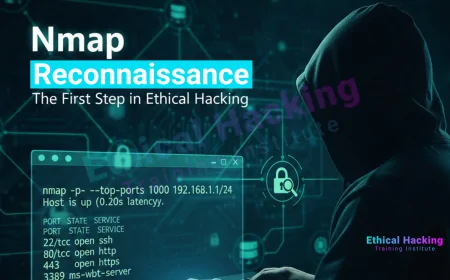
Learning Nmap mastery early will dramatically improve your scanning and reconnaissance efficiency.
Step-by-Step Reconnaissance Techniques
Good reconnaissance can reveal 70% of the attack surface before you even send a malicious request.
- Use Google dorks (site:, inurl:, filetype:) to find exposed files
- Check Shodan or Censys for internet-exposed services
- Enumerate subdomains with Sublist3r, Amass, or crt.sh
- Find employee names and emails on LinkedIn or Hunter.io
- Download robots.txt, sitemap.xml, and .git directories if exposed
- Take screenshots with GoWitness or Aquatone for visual reference
Mapping the Application Like a Pro
After reconnaissance, you need a complete map of the web app.
- Configure your browser to route traffic through Burp Suite or ZAP
- Crawl the site using the built-in spider or DirBuster
- Manually click every link, button, and form
- Identify user roles (guest, user, admin) and authentication mechanisms
- Document parameters, cookies, and hidden fields
- Export the site map for future reference
Many beginners accelerate their progress by joining an intensive ethical hacker bootcamp that compresses years of learning into weeks.
Top 10 Vulnerabilities You Will Find (OWASP Top 10 Explained)
The OWASP Top 10 is the industry standard list of critical web risks. Every ethical hacker must master these.
- Broken Access Control
- Cryptographic Failures
- Injection (SQLi, Command, XSS)
- Insecure Design
- Security Misconfiguration
- Vulnerable and Outdated Components
- Identification and Authentication Failures
- Software and Data Integrity Failures
- Security Logging and Monitoring Failures
- Server-Side Request Forgery (SSRF)
Practical Example: Finding and Exploiting Reflected XSS
A reflected Cross-Site Scripting (XSS) happens when user input is immediately echoed back without sanitization.
- Look for search boxes, error messages, or URL parameters
- Test payloads:
- If an alert pops up, you found XSS
- Upgrade payload to prove impact:
- Take screenshots and record video as proof
How to Write a Professional Pentest Report
A great report turns a good pentester into a respected professional.
- Executive summary for managers (non-technical)
- Detailed technical findings with CVSS score
- Clear steps to reproduce
- Screenshots and videos
- Risk rating (Critical, High, Medium, Low)
- Remediation advice with code examples when possible
- Positive findings (what the client did right)
Earning a globally recognized Certified Ethical Hacker certification significantly boosts your credibility with employers and clients.
Conclusion
Ethical hacking is one of the most rewarding careers in cybersecurity. Companies desperately need skilled testers who can find vulnerabilities responsibly. By following legal guidelines, mastering the methodology, and practicing on authorized targets or bug bounty programs, you can turn curiosity into a lucrative and respected profession.
Start small: set up Kali Linux, practice on deliberately vulnerable apps like DVWA or WebGoat, join HackerOne, and never stop learning. The internet needs more ethical hackers like you.
Frequently Asked Questions
Is ethical hacking legal?
Yes, when you have explicit written permission from the system owner or participate in a public bug bounty program.
Can I learn ethical hacking without an IT background?
Absolutely. Many successful pentesters started with zero technical knowledge. Focus on fundamentals first: HTTP, HTML, and basic networking.
Do I need to buy expensive tools?
No. Burp Suite Community, OWASP ZAP, and Kali Linux are completely free and used by professionals worldwide.
Where can I practice legally?
Try Hack The Box, TryHackMe, PortSwigger Web Security Academy, PentesterLab, and bug bounty programs.
How much do bug bounty hunters earn?
Rewards range from $50 for low-severity issues to over $1,000,000 for critical remote code execution bugs. Top hunters earn six figures annually.
Is a certification required?
No certification is mandatory, but CEH courses in 2025 are highly respected by employers.
What is the difference between ethical hacking and penetration testing?
They are often used interchangeably. Penetration testing is a structured, authorized simulation of an attack.
Can I test my own website?
Yes, testing systems you own or have permission to test is completely legal and encouraged.
How long does it take to become job-ready?
With consistent daily practice and the right online ethical hacking courses, most people reach junior pentester level in 6-12 months.
Is SQL injection still common in 2026?
Yes. Poorly written legacy applications and misconfigured frameworks still suffer from classic injection flaws.
Should I learn programming?
Basic Python, JavaScript, and Bash scripting will make you significantly more effective.
What is responsible disclosure?
Privately reporting vulnerabilities to the affected organization and giving them reasonable time to fix before public disclosure.
Can I get in trouble for accidental damage?
A proper scope agreement usually protects you from liability for unintentional issues during authorized testing.
Which bug bounty platform is best for beginners?
HackerOne and Bugcrowd both have many public programs suitable for newcomers.
What is the first thing I should do today?
Download Kali Linux or Parrot OS, install Burp Suite Community, and start with free labs or a structured CEH online certification program.
What's Your Reaction?
 Like
0
Like
0
 Dislike
0
Dislike
0
 Love
0
Love
0
 Funny
0
Funny
0
 Angry
0
Angry
0
 Sad
0
Sad
0
 Wow
0
Wow
0