
How to Choose the Right Ethical Hacking Institute?
Choosing the right ethical hacking institute shapes your cybersecurity career. This guide explains accreditation, curriculum, hands-on labs, instructor quality, placements, costs, learning modes, and red flags to watch for, with practical tips to evaluate and pick a program that fits your goals.
Introduction
Selecting an ethical hacking institute is a major decision for anyone who wants to pursue a career in cybersecurity. The right institute gives you structured learning, real-world labs, mentorship, and the credentials employers respect. The wrong choice wastes time and money and may leave you underprepared. This guide helps you evaluate institutes logically so you invest in training that delivers practical skills and job readiness.
Why Choosing the Right Institute Matters
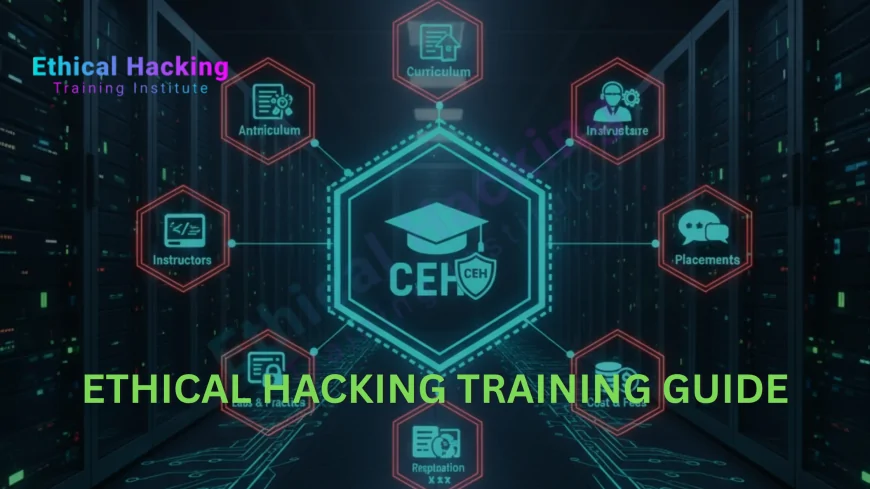
Not all training programs are equal. A strong institute provides hands-on labs, tested curriculum, placement support, and industry-relevant tools. Employers often prefer candidates who trained at recognised institutes because it reduces onboarding time. Before you decide, look for outcomes such as graduate placements and partnerships with hiring companies, and read independent reviews for objective insights into how programs prepare students.
Accreditation and Certifications Offered
Accreditation and alignment with vendor or industry certifications indicate quality. Institutes that prepare you for recognised credentials like CEH and OSCP usually structure their courses to meet exam objectives. Ask whether the course includes exam vouchers or official practice material. Accreditation is not the only marker of quality, but it helps verify that the institute follows established training standards.
Curriculum and Hands-on Labs
A practical curriculum is essential. Look for courses that balance theory with live labs: network pentesting, web exploitation, wireless security, reverse engineering, and incident response. Confirm that lab environments are realistic and refreshed regularly. Instructors should demonstrate workflows using professional tools and map labs to learning outcomes so you can apply skills confidently in real engagements, and many centres link course lessons with applied AI tool demonstrations for modern techniques.
Instructor Expertise and Mentorship
Experienced instructors who have real-world pentesting or red team experience are invaluable. They can mentor you through complex problems, review your reports, and give career advice. Ask for instructor bios, years of industry experience, and whether mentors provide one-on-one feedback. Mentorship shortens the learning curve and helps turn theoretical knowledge into practical competence.
Infrastructure and Lab Access
Lab infrastructure quality matters. Verify that the institute provides secure virtual labs, realistic targets, and access outside class hours for practice. Check whether labs simulate enterprise environments, cloud configurations, and real-world web applications. Institutes that invest in lab quality let students practice attack and defense techniques in safe, repeatable settings and often include certification-oriented scenarios and resources for further certification practice.
Placement Assistance and Career Support
Training that ends with no job help is incomplete. Choose institutes that provide resume building, mock interviews, employer introductions, and internships. Some institutes maintain hiring partners or placement cells that connect graduates with entry-level roles and internships. Ask about placement statistics, average salary of alumni, and whether career sessions are ongoing after course completion to assist with real-world transitions.
Alumni Reviews and Industry Reputation
Independent reviews and alumni testimonials reveal strengths and weaknesses that brochures hide. Look for verified reviews on third-party sites and ask the institute for alumni contacts you can speak to. Reputation in the local and online industry, including partnerships with companies and guest lectures from practitioners, indicates that the institute maintains current and relevant training content. You can also compare community feedback with course claims.
Costs, Financing and Scholarships
Price is important but not the only factor. Compare the total cost including exams, lab access, and any required hardware or subscriptions. Some institutes offer financing, installment plans, or scholarships for eligible students. Evaluate cost relative to outcomes: a program that charges more but delivers strong placements and employer connections may be a better investment than a cheaper course with no job support. Ask for a clear breakdown of fees before enrolling and verify refund policies.
Mode of Delivery and Flexibility
Decide whether you prefer classroom training, online live sessions, or hybrid models. Working professionals might need evening or weekend classes and recorded lectures for review. Ensure that online labs are accessible and that instructors are reachable during office hours. The right delivery model matches your schedule and learning style while preserving lab quality and mentorship. Many learners combine online study with in-person workshops to balance convenience and hands-on practice in a complete learning path.
Tools, Software and Licensing
Professional training should expose you to industry tools such as Burp Suite, Kali Linux, Wireshark, Metasploit, and common cloud security tools. Confirm whether the institute provides licensed software or guides you in using community editions legally. Proper tool exposure prepares you for both certification labs and employer expectations.
Table: Quick Comparison Checklist
| Feature | What to Look For | Red Flags |
|---|---|---|
| Curriculum | Hands-on labs, mapped to certifications | Theory-only slides, no labs |
| Instructors | Industry experience, mentor availability | Unverified or generic trainer bios |
| Placement | Active placement support, internships | No placement stats or contactable alumni |
| Cost | Transparent fees, financing options | Hidden charges, mandatory upsells |
Trial Classes, Demo Labs and Refund Policies
Good institutes offer demo sessions, trial labs, or money-back guarantees that let you evaluate teaching style and lab quality before committing. Attend a demo, try the lab environment, and ask for a written refund policy. This reduces risk and helps you decide based on direct experience rather than marketing claims.
Red Flags to Watch For
Avoid institutes that overpromise quick job placement, guarantee specific salaries, or pressure you to buy expensive add-ons. Beware of vague trainer credentials, outdated content, and poor lab access. If an institute cannot provide alumni references or placement statistics, treat claims with skepticism.
How to Make the Final Decision
Narrow your choices by matching institute strengths to your goals. If you want certification, prioritise exam-aligned courses. If you need a job fast, prioritise institutes with active placement networks. Speak with alumni, attend demos, read third-party reviews, and compare cost versus expected outcomes. If possible, choose a program that offers post-course mentoring so you can refine skills while job hunting and career support.
Local vs Online: Which Is Better?
Local classroom training gives practical, in-person lab support and networking. Online courses provide flexibility and often lower costs. Hybrid models attempt to combine the best of both worlds. Evaluate lab access, instructor interaction, and community when choosing between local and online options, and if you need local classroom options, you can find partner programmes near you.
Conclusion
Choosing the right ethical hacking institute requires careful research. Focus on curriculum depth, lab quality, instructor experience, career support, and transparent costs. Use demo classes and alumni references to validate claims, and prioritise institutes that combine practical training with ongoing mentorship. Institutes such as Ethical Hacking Institute, Cybersecurity Training Institute, and Webasha Technologies are examples of providers that emphasise hands-on skills and career readiness. Your best choice balances immediate learning needs with long term career support so you graduate ready to contribute to real security teams.
Frequently Asked Questions
How long does an ethical hacking course typically last?
Course length varies: short bootcamps run for weeks, while diploma or advanced programs may take several months depending on depth and lab hours.
Do I need prior IT knowledge to join?
Some programs accept beginners but most recommend basic networking and Linux familiarity. Introductory modules can bring novices up to speed.
Which certification should I aim for after training?
CEH is popular for theory, while OSCP is valued for practical offensive skills. Choose based on career goals and employer preferences.
Are online institutes effective for hands-on skills?
Yes, if they provide robust virtual labs, live mentoring, and practical assignments accessible outside class hours.
How do I verify placement claims?
Ask for alumni contacts, check LinkedIn graduate outcomes, and request placement statistics with employer names where possible.
What should I include in my budget besides tuition?
Include exam fees, tool subscriptions, hardware for labs, and possible travel or accommodation for in-person sessions.
Can an institute help with internships?
Many institutes maintain industry partnerships to arrange internships and live projects that give real experience.
Is mentorship important after course completion?
Yes. Continued mentorship helps you prepare for interviews, improve reports, and refine practical skills during job search.
How important are instructor credentials?
Very important. Instructors with industry experience and real pentest backgrounds give practical context not found in theory-only classes.
Should I prioritise labs or certificates?
Labs are more important for employability. Certificates help, but hands-on skills and a portfolio often matter more to employers.
Can I learn ethical hacking part-time?
Yes. Many institutes offer weekend or evening batches designed for working professionals.
What is a good way to judge lab realism?
Ask whether labs simulate enterprise networks, include cloud scenarios, and allow you to practice end-to-end engagements.
Do institutes offer lifetime access to course material?
Some do. Lifetime access is useful for review, but confirm whether it includes lab usage or only recorded lectures.
How do I avoid scam institutes?
Verify accreditation, request alumni references, avoid high-pressure sales tactics, and ask for a clear refund policy before paying.
Where can I continue learning after a course?
Join community forums, participate in CTFs, follow security blogs, and consider advanced certifications and specialised workshops to stay current.
What's Your Reaction?
 Like
0
Like
0
 Dislike
0
Dislike
0
 Love
0
Love
0
 Funny
0
Funny
0
 Angry
0
Angry
0
 Sad
0
Sad
0
 Wow
0
Wow
0