

How to Become a Certified Penetration Tester?
Learn how to become a certified penetration tester with a complete roadmap covering essential skills, tools, certifications, and career paths. Understand the difference between CEH, OSCP, and CompTIA PenTest+, discover top online courses, and learn how to build your ethical hacking career step-by-step.

Introduction
Penetration testing is one of the most exciting and rewarding careers in cybersecurity. A certified penetration tester is a professional who simulates real-world cyberattacks to identify vulnerabilities in systems, networks, and applications before malicious hackers exploit them. Becoming certified in this field not only validates your technical skills but also demonstrates your commitment to ethical hacking practices, which can open doors to high-paying cybersecurity roles across industries.
What Does a Penetration Tester Do?
A penetration tester, often called an ethical hacker, evaluates the security posture of systems using authorized simulated attacks. They identify weaknesses, exploit vulnerabilities responsibly, and provide remediation advice to strengthen defenses. Penetration testers use a combination of manual techniques, automated tools, and creative problem-solving to stay ahead of evolving threats. If you want to understand how artificial intelligence is reshaping ethical hacking, explore this detailed post on AI in hacking.
Essential Skills Required for Penetration Testing
Before pursuing certification, you should build a strong foundation in computer networks, operating systems, and security principles. A good penetration tester must master:
- Networking basics: TCP/IP, firewalls, routing, and protocols
- Operating systems: Linux and Windows internals
- Scripting: Python, Bash, or PowerShell for automation
- Web technologies: HTTP, APIs, and browser-based attacks
- Vulnerability scanning and exploitation tools
Practical knowledge of reconnaissance, privilege escalation, and report writing is also essential. Beginners can get a structured foundation by joining a complete ethical hacking course designed for all levels.
Top Certifications for Penetration Testers
Certifications validate your expertise and make you more attractive to employers. The most recognized penetration testing certifications include:
| Certification | Provider | Focus Area | Difficulty |
|---|---|---|---|
| CEH (Certified Ethical Hacker) | EC-Council | Comprehensive ethical hacking coverage | Intermediate |
| OSCP (Offensive Security Certified Professional) | Offensive Security | Hands-on penetration testing and exploitation | Advanced |
| CompTIA PenTest+ | CompTIA | Practical mid-level testing and analysis | Moderate |
Each certification serves a different stage of your career. CEH is ideal for beginners, OSCP for advanced practitioners, and PenTest+ bridges the gap between theory and practice. If you’re planning to specialize, joining a CEH training course is a great place to start.
Steps to Become a Certified Penetration Tester
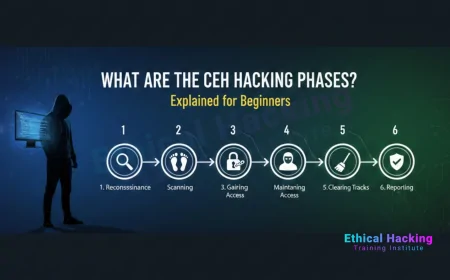
Here’s a roadmap to becoming a certified penetration tester:
- Learn computer networks, operating systems, and cybersecurity fundamentals
- Practice ethical hacking in safe virtual labs
- Earn entry-level certifications like CEH or CompTIA Security+
- Gain hands-on experience with penetration testing tools
- Attempt advanced certifications like OSCP
- Build a portfolio of real-world testing projects and reports
- Stay updated with cybersecurity trends and new exploits
To get structured learning, find nearby ethical hacker courses that guide you from fundamentals to advanced topics.
Tools Every Penetration Tester Should Master
Proficiency with tools is vital for any penetration tester. Some must-know tools include:
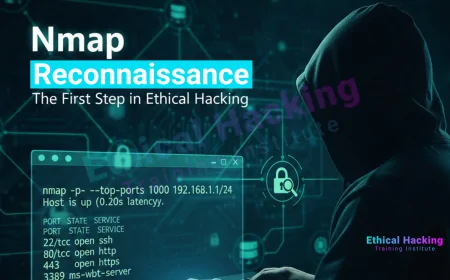
- Nmap: Network scanning and discovery
- Burp Suite: Web vulnerability scanning
- Metasploit: Exploitation framework
- Wireshark: Network traffic analysis
- John the Ripper and Hashcat: Password cracking
Learning to combine these tools efficiently will give you a real advantage. To understand how to get the most from Nmap and similar utilities, see this detailed article on Nmap for penetration testing.
Career Growth and Salary Expectations
Penetration testers enjoy strong demand across industries like finance, defense, and technology. According to global cybersecurity surveys, certified penetration testers can earn anywhere from $70,000 to $130,000 annually, depending on skills and experience. Certifications such as CEH and OSCP often lead to promotions into senior or lead tester roles. Continuous learning, reporting quality, and strong communication skills are key to career growth. Many professionals also explore bug bounty programs to enhance real-world testing exposure.
Common Challenges Faced by Penetration Testers
Like any cybersecurity role, penetration testing comes with challenges. These include staying current with ever-changing threats, managing legal boundaries, and handling complex systems under tight deadlines. Continuous practice, community engagement, and structured training help testers overcome these issues effectively. Advanced learning paths like the ethical hacking career path provide guidance for long-term success.
Conclusion
Becoming a certified penetration tester is a journey that combines technical expertise, strategic thinking, and ethical responsibility. Start by building a strong foundation in networking and security, then move into hands-on practice through labs and certifications. Use tools, participate in community challenges, and never stop learning. With the right mindset and dedication, you can transform your passion for cybersecurity into a rewarding and respected career.
Frequently Asked Questions
What is a certified penetration tester?
A certified penetration tester is a professional trained to ethically exploit systems and identify vulnerabilities to help organizations improve their cybersecurity posture.
Is a degree required to become a penetration tester?
No. While a degree helps, hands-on skills, certifications, and experience matter more in the cybersecurity industry.
Which certification is best for beginners?
The Certified Ethical Hacker (CEH) is a popular entry-level certification for aspiring penetration testers.
How long does it take to become certified?
It usually takes 6–12 months to prepare for and earn your first penetration testing certification, depending on your background and study time.
Do penetration testers need programming skills?
Yes. Basic scripting in Python, Bash, or PowerShell is useful for automation and exploit development.
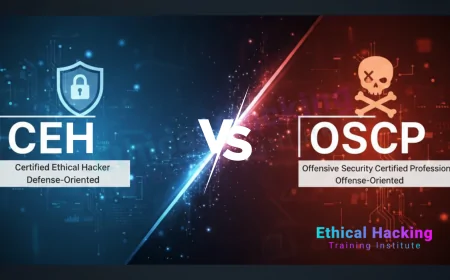
What is the difference between CEH and OSCP?
CEH focuses on theoretical and tool-based knowledge, while OSCP emphasizes hands-on, real-world exploitation skills.
Can I practice penetration testing legally?
Yes, through authorized labs, online platforms, and bug bounty programs designed for ethical practice.
How do I start learning penetration testing?
Begin with networking and cybersecurity fundamentals, then enroll in structured ethical hacking courses and practice on virtual labs.
Are penetration testers in demand?
Yes. The demand for ethical hackers and penetration testers is growing rapidly across all industries.
What salary can I expect after certification?
Entry-level certified penetration testers earn around $70,000 annually, while experienced professionals earn significantly more.
Which tools should I learn first?
Start with Nmap, Burp Suite, and Metasploit, as these cover scanning, exploitation, and vulnerability testing.
Do companies hire freelance penetration testers?
Yes. Many organizations use freelancers or consultants for independent penetration tests and security audits.
Is continuous learning important in penetration testing?
Absolutely. Cybersecurity evolves rapidly, and continuous learning keeps your skills current and competitive.
What soft skills help penetration testers succeed?
Communication, report writing, and problem-solving skills are vital to explain findings and interact with clients effectively.
How can I advance my career after certification?
Gain practical experience, pursue advanced certifications like OSCP or CISSP, and build a portfolio of professional penetration testing projects.
What's Your Reaction?
 Like
0
Like
0
 Dislike
0
Dislike
0
 Love
0
Love
0
 Funny
0
Funny
0
 Angry
0
Angry
0
 Sad
0
Sad
0
 Wow
0
Wow
0