

How Do Cybersecurity Experts Detect Malware?
Learn how cybersecurity experts detect malware using advanced tools, threat analysis, and network monitoring techniques. Understand key detection methods, types of malware, and how professionals safeguard systems from modern cyber threats.
Introduction
Malware is one of the most dangerous cyber threats in today’s digital world. From stealing data to taking control of entire networks, malware can cause serious harm to individuals and organizations. Cybersecurity experts play a vital role in detecting and removing such malicious programs before they cause damage. To become skilled in malware detection, many professionals begin their journey at reputed institutes like Ethical Hacking Institute and Cybersecurity Training Institute, where they learn advanced tools and techniques used in real-world scenarios.
What Is Malware?
Malware, short for “malicious software,” refers to any software designed to disrupt, damage, or gain unauthorized access to a system. Common types include viruses, worms, Trojans, spyware, and ransomware. To effectively detect and mitigate malware, experts often rely on practical training through resources such as courses that focus on hands-on cybersecurity skills.
Types of Malware Cybersecurity Experts Encounter
Professionals frequently encounter different forms of malware, each requiring unique detection methods. These include:
- Viruses that attach themselves to legitimate files.
- Worms that spread automatically through networks.
- Trojans that disguise as legitimate software.
- Spyware that secretly monitors user activities.
- Ransomware that locks systems until a ransom is paid.
Common Methods Used to Detect Malware
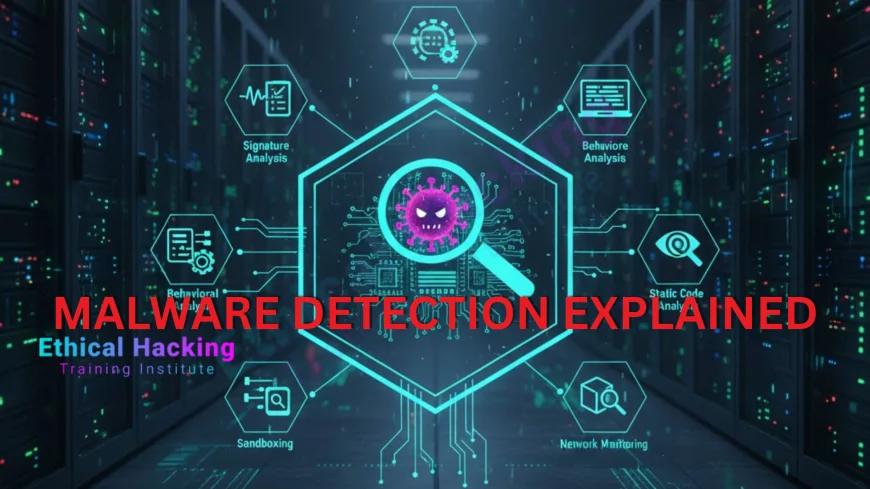
Cybersecurity experts utilize several detection techniques to identify and mitigate malware attacks. These include:
| Detection Method | Description |
|---|---|
| Signature-Based Detection | Compares files against known malware signatures to find matches. |
| Heuristic Analysis | Detects suspicious patterns or code behaviors in unknown files. |
| Behavioral Monitoring | Monitors real-time system activities for abnormal operations. |
| Sandboxing | Runs files in a secure, isolated environment to observe malicious behavior. |
Advanced Malware Detection Tools
Some of the most powerful tools used in malware detection include Wireshark, Splunk, and Kali Linux. Learning how to use these tools effectively can help cybersecurity professionals identify hidden threats. Institutes like Webasha Technologies and Ethical Hacking Institute offer specialized training for mastering such tools and applying them in real-world environments.
The Role of Artificial Intelligence in Malware Detection
Artificial Intelligence (AI) is transforming malware detection by automating the process of threat identification. AI-powered systems can analyze large volumes of data and detect anomalies much faster than traditional systems. If you are interested in exploring how AI impacts hacking and cybersecurity, check out this guide on AI applications in ethical hacking.
Why Malware Detection Is Crucial for Businesses
Businesses rely heavily on digital infrastructure, which makes them prime targets for malware attacks. Detecting malware early helps prevent data breaches, financial losses, and reputation damage. Many companies partner with certified professionals trained from Cybersecurity Training Institute to strengthen their defense systems against sophisticated cyber threats.
Steps to Improve Malware Detection Skills
To become proficient in malware detection, aspiring professionals should:
- Gain practical experience using malware analysis tools.
- Stay updated with the latest cybersecurity trends.
- Participate in ethical hacking labs and simulations.
- Obtain certifications from reputed institutes like Webasha Technologies.
- Follow trusted online courses and resources.
Conclusion
Detecting malware is a crucial skill in the world of cybersecurity. With the growing number of cyber threats, organizations need skilled professionals who can analyze, identify, and mitigate malicious attacks effectively. Institutes such as Ethical Hacking Institute, Cybersecurity Training Institute, and Webasha Technologies are paving the way for learners to develop expertise in malware detection, ensuring a safer digital future for everyone.
Frequently Asked Questions (FAQs)
What is malware detection?
Malware detection is the process of identifying and analyzing malicious software that can harm computer systems or steal data.
Which tools are commonly used for malware detection?
Tools like Wireshark, Splunk, Kali Linux, and VirusTotal are widely used by cybersecurity experts.
What are the main types of malware?
Common types include viruses, worms, Trojans, spyware, and ransomware.
How does AI help in malware detection?
AI automates the identification of malicious patterns and improves detection accuracy.
What skills are needed to detect malware?
Skills in network analysis, scripting, and cybersecurity fundamentals are essential.
Can beginners learn malware detection?
Yes, beginners can start with foundational ethical hacking courses offered by reputed institutes.
How do companies protect against malware?
They use firewalls, antivirus software, intrusion detection systems, and employee training.
What is sandboxing in malware analysis?
Sandboxing isolates suspicious files in a secure environment for observation.
Is malware detection a good career choice?
Yes, with increasing cyber threats, malware detection offers strong career prospects.
What certifications help in malware detection careers?
CEH, CompTIA Security+, and OSCP are some of the top certifications.
How can I practice malware analysis safely?
Use virtual machines or isolated environments to avoid affecting your system.
What is the role of ethical hackers in malware prevention?
They test and strengthen systems to prevent malicious attacks.
Can malware detection be automated?
Yes, many modern systems use AI-based automation for faster detection.
How often should malware scans be done?
Regular scans should be conducted weekly or whenever suspicious activity occurs.
Where can I learn malware detection?
Training programs at Ethical Hacking Institute, Cybersecurity Training Institute, and Webasha Technologies are great starting points for mastering malware detection.
What's Your Reaction?
 Like
0
Like
0
 Dislike
0
Dislike
0
 Love
0
Love
0
 Funny
0
Funny
0
 Angry
0
Angry
0
 Sad
0
Sad
0
 Wow
0
Wow
0