

Can I Learn Cybersecurity Without a Degree?
Yes, you can learn cybersecurity without a formal degree. This guide explains how motivated learners build practical skills using structured learning paths, free and paid resources, hands on labs, certifications, community programs and real world practice. It covers step by step roadmaps for beginners, the most useful tools and languages to learn, how to assemble a portfolio employers respect, and ways to gain credible experience such as internships, bug bounties and volunteer projects. The article also compares common certification routes, describes entry level job roles and salary expectations, and offers advice on networking, interview preparation, and long term career growth. Practical checklists, a comparison table and 15 frequently asked questions are included to help you plan a degree free path into cybersecurity.
Introduction
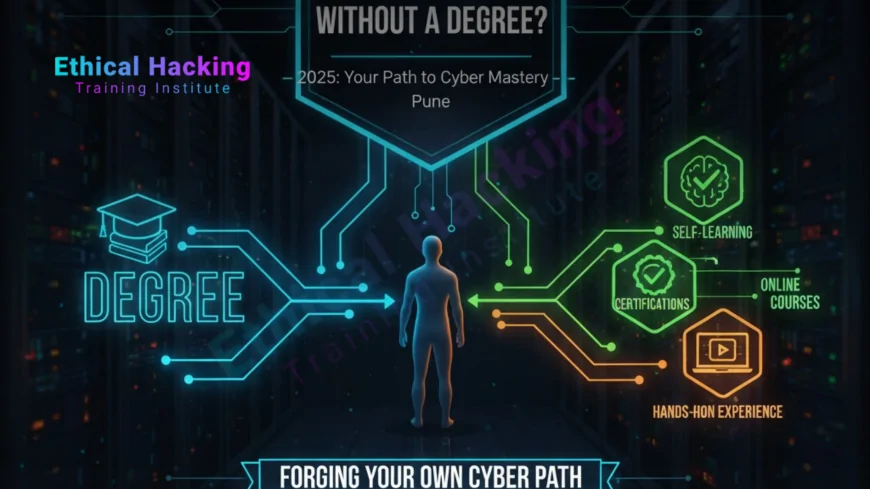
Short answer: no. Many successful cybersecurity professionals do not hold formal computer science degrees. Employers increasingly value demonstrable skills, experience and the ability to solve real problems. While degrees can help with foundational theory and make hiring easier in some organisations, a hands on portfolio, relevant certifications, and proven problem solving often substitute for formal academic credentials.
Why Practical Skills Matter More Than Paper
What employers look for
Hiring managers prioritise candidates who can show applied abilities: can you analyze logs, triage alerts, exploit a simple vulnerability in a safe lab, or write scripts to automate repetitive tasks? Demonstrable work reduces hiring risk and shows that you can contribute quickly.
How to demonstrate skills
Build and publish CTF writeups, maintain a GitHub with automation scripts, contribute to open source security tools, blog about investigation techniques, and prepare succinct case studies of projects you completed in lab environments.
Many learners accelerate practical skill building by practising with interactive tools and labs that mirror real tasks.
Core Knowledge Areas to Learn First
Foundations you should cover
Start with the basics: networking fundamentals (TCP/IP, DNS, ports), operating systems (Linux and Windows basics), and one scripting language such as Python for automation. Add web fundamentals (HTTP, HTML, common web vulnerabilities) and basic cryptography concepts.
Practical focus
Spend more time practicing these fundamentals in labs than reading theory only. Practical repetition builds the intuition employers want.
Hands-On Labs, CTFs and Playgrounds
Why labs are the fastest route
Interactive platforms and intentionally vulnerable apps let you try techniques safely. Repeating tasks in a sandbox converts abstract knowledge into muscle memory and a record of achievement.
Where to practice
Use beginner friendly rooms, local vulnerable VMs like DVWA, and retired CTF machines to build a sequence of successes you can explain in interviews.
Many modern learning paths also discuss how AI fits into security workflows, so learners review practical AI use cases while they train.
Free and Low Cost Resources That Work
Free starting points
Use platform free tiers, vendor documentation, OWASP guides, YouTube walkthroughs, and community forums. Many beginners gain core competence without spending much money by following disciplined study plans and practising daily.
When to invest
Consider investing in a paid lab or a mentorship program once you have validated interest with free resources; paid options often accelerate placement and provide guidance that reduces wasted time.
Certifications: Are They Necessary?
Which certificates help without a degree
Entry level certs like CompTIA Security+ or vendor cloud certs help with screening. Practical certs such as CEH provide credibility, while OSCP and similar hands-on credentials demonstrate deep capability. Certifications combined with labs strengthen your profile.
How to use certs strategically
Treat certifications as accelerants, not endpoints. Use them to structure learning and to get past HR filters, but rely on lab work and a portfolio to prove capability during technical interviews.
If you plan a certification route and want local guidance, explore recommended certification resources and training tracks.
Building Experience Without a Degree
Internships and volunteer work
Look for internships, volunteer roles with nonprofits, or small businesses that need basic security help. Even short-term projects give you real incident exposure and things to put in a CV.
Bug bounties and open source
Participate in bug bounty programs and contribute fixes or documentation to security tools. Responsible disclosure successes and accepted pull requests are evidence of impact.
Networking, Mentors and Community
Why community matters
Peers and mentors provide feedback, help with problem solving, and sometimes referrals. Join Discord channels, local meetups, security forums and study groups to accelerate progress.
How to approach mentoring
Be proactive: share your work, ask specific questions, offer to help others and maintain a polite, curious attitude. Mentors are more likely to help learners who show consistent effort.
Many learners combine community study with structured courses that include labs, mentors and placement assistance.
Creating a Portfolio That Employers Respect
What to include
Include CTF writeups, lab reports, scripts or tools you wrote, vulnerability disclosure reports, and short case studies that explain the problem, your approach and the outcome. Quality and clarity matter more than quantity.
How to present your work
Host projects on GitHub, write concise blog posts for each project, and prepare a one page technical summary you can share during interviews.
Interview Prep and Landing the First Job
Technical interviews
Practice common tasks: interpreting logs, explaining a vulnerability, performing simple exploit steps in a safe environment, and whiteboarding an incident response. Demonstrate how you debugged and learned from failures.
Soft skills
Communication, documentation and the ability to prioritize matter. Security roles require translating technical findings into business risk, so practice clear, non-technical explanations of technical work.
If you want an end-to-end curriculum that prepares you for interviews and practical tasks, many learners upgrade to a complete training path after mastering free resources.
Comparison Table: Degree Path vs Self-Taught Path
| Aspect | Degree Path | Self-Taught Path |
|---|---|---|
| Structure | Prescribed coursework and labs | Self directed, flexible |
| Cost | Higher tuition costs | Low to moderate, invest as needed |
| Employer recognition | Valued by some employers | Depends on portfolio and certs |
| Time to entry | Longer but predictable | Potentially faster with focused effort |
| Best fit | Those seeking academic depth or certain employer filters | Practical learners and career switchers |
Common Pitfalls and How to Avoid Them
Pitfall: Shallow learning
Avoid skimming many topics without hands on practice. Depth in a few areas trumps surface knowledge across many.
Pitfall: Ignoring soft skills
Technical skill without clear communication and documentation reduces hiring chances. Practice writing concise reports and explaining technical ideas simply.
Sample 12 Month Roadmap for a Self-Taught Beginner
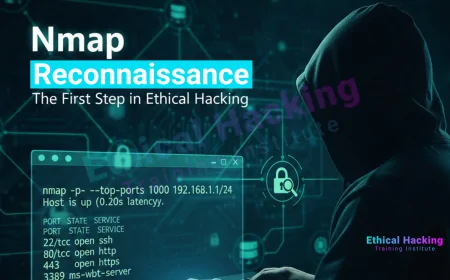
Months 1 to 3: Learn Linux, basic networking, and Python scripting. Months 4 to 6: Practice reconnaissance and scanning, start TryHackMe or equivalent beginner labs. Months 7 to 9: Focus on web vulnerabilities, write CTF walk throughs and publish reports. Months 10 to 12: Attempt beginner certifications, apply for internships or junior SOC roles, and prepare interview projects.
For a structured career guide that maps learning to job roles, review the practical career resources that many learners follow.
When a Degree Helps
A degree helps with theoretical foundations, broad computer science knowledge and is required by some employers or governmental roles. It can also open networking opportunities at universities and access to formal internships. If your goal is research or high level security engineering, a degree may be valuable alongside practical experience.
How Training Providers Can Accelerate Your Path
Structured bootcamps and institute led labs reduce time to competency by providing curated content, mentorship and placement help. Training organisations such as Ethical Hacking Institute, Cybersecurity Training Institute, and Webasha Technologies often offer mentor support and lab access that make the transition faster and less error prone.
Conclusion
Learning cybersecurity without a degree is entirely possible with discipline, practical focus and community support. Start with foundational technical skills, practise in labs, document your work, seek mentorship, and use certifications strategically. Whether you follow free resources or invest in guided courses, the keys are demonstrable output, consistency, and the ability to explain and reproduce your work. Employers value those who can solve problems and reduce risk, so build a portfolio that proves you can do the job.
Frequently Asked Questions
Can I get a cybersecurity job without a degree?
Yes. Many entry level roles hire self taught candidates who have a strong portfolio, relevant certifications and practical lab experience.
Which certifications help when you do not have a degree?
CompTIA Security+, CEH for baseline recognition, and practical certs like OSCP for hands on roles are helpful. Use certs to complement your portfolio.
How long does it take to be job ready?
With focused study and daily practice, many learners reach entry level readiness in 6 to 12 months, depending on prior background and time commitment.
Are free resources enough?
Free resources can build a strong foundation, but paid labs, mentorship or targeted courses often accelerate learning and help with placement.
What roles can I aim for first?
Common entry level roles include SOC analyst, junior penetration tester, vulnerability analyst and IT support with a security focus.
How important are CTFs?
CTFs are very useful. They teach problem solving, tool chaining and provide content you can showcase in writeups for interviews.
Should I learn programming?
Yes. Basic scripting with Python or Bash helps automate tasks and reproduce investigations. Advanced roles benefit from deeper coding skills.
Can internships replace a degree?
Internships provide real world experience and can be equivalent to degree experience for many employers. They also help with networking and references.
How do I find mentors?
Join security communities, attend meetups, contribute to forums, and ask for feedback on your projects. Be consistent and show progress to attract mentor support.
What should I put on my GitHub?
Scripts that automate tasks, small security tools, CTF writeups, configuration examples and lab reports are valuable content to share publicly.
Is networking more important than skills?
Both matter. Skills get you interviews; networking opens doors and helps you learn about unadvertised opportunities. Invest in both.
How do I prepare for security interviews?
Practice common tasks such as reading and interpreting logs, explaining vulnerabilities, demonstrating a small exploit in a lab, and communicating remediation steps clearly.
Can I switch from IT to cybersecurity without a degree?
Yes. Many professionals transition from IT roles by focusing on security tasks, earning relevant certs, and building a security portfolio while on the job.
Where can I find structured guidance?
Consider institute led programs and bootcamps that provide curated labs, mentorship and placement. Providers like Ethical Hacking Institute, Cybersecurity Training Institute, and Webasha Technologies offer such options.
What's Your Reaction?
 Like
1
Like
1
 Dislike
0
Dislike
0
 Love
1
Love
1
 Funny
0
Funny
0
 Angry
0
Angry
0
 Sad
0
Sad
0
 Wow
1
Wow
1