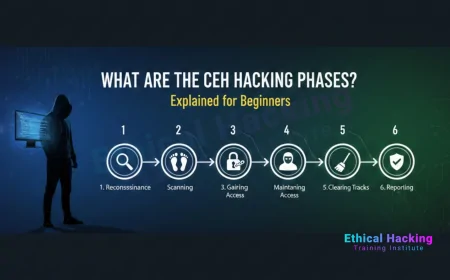

Can Ethical Hackers Work for the Government?
Yes, ethical hackers can work for government agencies in roles ranging from incident response and digital forensics to red teaming and policy advisory. This guide explains typical government roles, eligibility and clearance requirements, how to build a career path, contracting versus in-house options, required skills and certifications, practical application steps, ethical and legal constraints, and tips to improve your chances when applying for public sector cybersecurity jobs.
Introduction
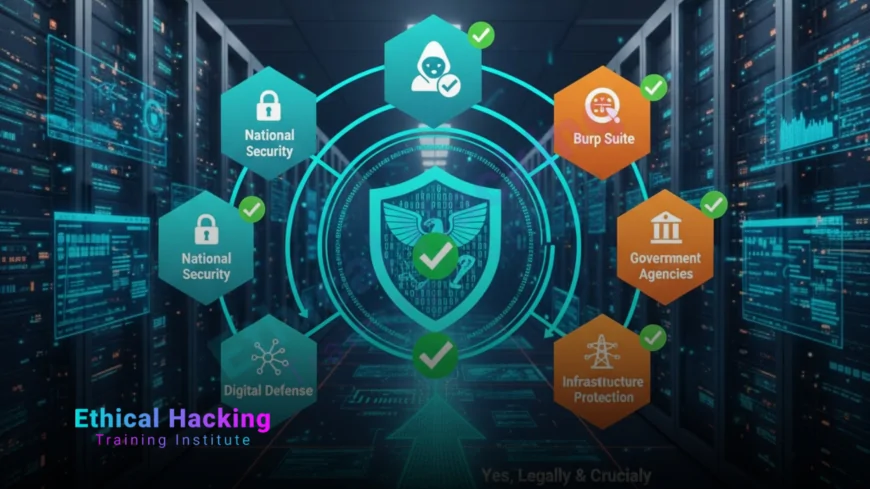
Short answer: Yes. Ethical hackers can and do work for government agencies at local, state, and national levels. Governments need cybersecurity talent to defend critical infrastructure, investigate cybercrime, run security operations centres, and develop secure public services. This article explains how ethical hackers fit into the public sector, what roles are available, how hiring tends to work, and how you can prepare if you want a government cybersecurity career.
Working for a government agency often involves stricter rules, required background checks, and adherence to formal procedures, but it also provides unique opportunities to work on high impact problems that affect millions of people.
Why Governments Hire Ethical Hackers
Governments face persistent threats from state and non-state actors, cybercriminal gangs, and opportunistic attackers. Ethical hackers bring offensive and defensive skills that help public agencies:
- Identify and remediate vulnerabilities in public web applications and infrastructure.
- Conduct penetration tests and red team exercises that simulate real attackers.
- Respond to incidents, perform digital forensics, and recover compromised systems.
- Hunt for threats proactively inside networks and across cloud services.
- Advise on secure design, hardening, and security policy for critical systems.
These functions reduce national risk, ensure regulatory compliance, and protect citizen data.
For insights on tools and automation used by attackers and testers, see this tools review.
Common Government Roles for Ethical Hackers
Ethical hackers can fill many roles depending on agency needs and scale. Typical job functions include:
- Incident Responder / Forensic Analyst — examine breaches, collect evidence, and restore systems.
- Penetration Tester / Red Teamer — simulate attacks against government systems to find weaknesses.
- Threat Hunter / Intel Analyst — analyze logs and telemetry to detect adversary activity.
- Security Architect / Engineer — design secure systems and advise on secure deployments.
- Vulnerability Analyst — triage scanner output and verify high risk findings.
Which Government Entities Hire Ethical Hackers?
Multiple public sector organizations hire cybersecurity staff, including:
- National and regional CERTs or CSIRTs (Computer Security Incident Response Teams)
- Law enforcement cybercrime units and digital forensics labs
- Defence and intelligence agencies (often require higher clearances)
- Ministries handling finance, health, education, and critical infrastructure
- Public sector banks, utilities, and state owned enterprises
Some work is performed directly by agencies, while other tasks are outsourced to vetted contractors and system integrators.
If you are choosing formal training to align with public hiring expectations, explore these courses.
Eligibility, Background Checks and Security Clearances
Government cybersecurity roles often require background screening. Typical checks include criminal history, employment verification, and sometimes financial and social background checks. For sensitive roles, agencies require formal security clearances that assess loyalty, reliability, and trustworthiness.
Clearance processes differ by country and agency. They can take weeks to many months. Maintaining a transparent, lawful record and being able to explain past activities is crucial during vetting.
Pathways to Enter Government Cybersecurity
There are several practical routes to get into government cybersecurity:
- Direct hire: Apply for vacancies posted on government career portals and public sector job boards.
- Internships and apprenticeships: Entry-level internships with public agencies or government labs provide a foot in the door.
- Contracting firms: Join an approved vendor or consultancy that supplies cybersecurity services to government clients.
- Academic collaborations: Participate in research projects or university partnerships with government labs and CERTs.
Each path has trade offs: direct hire offers stability and benefits, while contracting can be faster to enter and provide broad exposure to projects.
To compare certification value and hiring relevance, read this certification guide.
Skills, Experience, and Certifications Governments Value
Governments value a mix of practical experience, formal knowledge, and recognized credentials. Important capabilities include:
- Strong understanding of networking, operating systems, and cloud architectures
- Hands-on experience with penetration testing tools, forensic utilities, and SIEM platforms
- Incident response and malware analysis experience
- Secure coding awareness and application security knowledge
- Soft skills: clear reporting, policy understanding, and ability to work within strict procedures
Certifications that often help your candidacy include CEH, OSCP, CompTIA Security+, CISSP, and GIAC certifications, depending on role seniority.
Contracting vs In-House Government Work
Both contracting and in-house roles exist and each has pros and cons:
| Aspect | Contractor | In-House |
|---|---|---|
| Speed to Entry | Faster if vendor pre-approved | Slower due to formal hiring |
| Stability | Contract dependent | Steady employment and benefits |
| Access to Sensitive Systems | Often limited until vetted | Often full access after clearance |
If you want a structured learning path that aligns with public sector skills, check these courses.
Ethics, Laws and Professional Conduct
Working with government data demands the highest ethical standards. Unauthorized testing, even with good intent, is illegal and can lead to prosecution. Ethical hackers in government must follow strict rules of engagement, maintain chain of custody for evidence, and comply with privacy regulations and national laws. Understanding legal frameworks such as the IT Act and applicable privacy laws is essential.
Demonstrating adherence to legal and ethical norms during interviews and background checks is critical to securing public sector roles.
Practical Tips to Improve Your Chances
Use an action oriented plan to prepare for government cybersecurity roles:
- Build demonstrable work: lab projects, vulnerability reports, CTF write ups, and safe bug bounty disclosures.
- Gain relevant certifications: start with CEH or Security+, then pursue OSCP or GIAC for deeper technical roles.
- Seek internships or volunteer opportunities with university research labs, local CERTs, or non profit initiatives.
- Keep your public profiles professional: LinkedIn, GitHub, and write technical blog posts or tools documentation.
- Prepare for vetting: keep explanations for any past security experiments factual, lawful, and transparent.
Networking with public sector cybersecurity professionals and attending conferences or workshops can also surface opportunities and referrals.
To locate local classroom options and government-focused workshops, review this local listing.
Benefits and Challenges of Government Work
Benefits:
- Work with critical systems that affect national services
- Stable employment, pensions, and structured career progression in many countries
- Opportunity to contribute to national security and public good
Challenges:
- Lengthy hiring and clearance processes
- Strict process and documentation requirements
- Potentially slower technology refresh cycles compared to startups
Case Studies and Typical Entry Stories
Many government cybersecurity professionals start in private sector roles such as MSSPs, consultancies, or product security, and later move to public agencies. Others progress from internships or academic research projects into permanent roles. Joining a government contractor is another common stepping stone to access impactful government projects while building eligibility for internal roles.
How to Present Yourself in Applications and Interviews
When applying, emphasize measurable impact: number of assessments completed, vulnerabilities responsibly disclosed, incident response engagements, and remediation outcomes. Prepare technical examples that highlight methodology, tools used, and adherence to legal scope. For interviews, be ready to discuss case studies, your role in team exercises, and how you document and report findings for nontechnical stakeholders.
Conclusion
Ethical hackers can absolutely work for governments, and these roles are essential to national cybersecurity efforts. Public sector work requires technical competence, high ethical standards, and the ability to navigate formal procedures and security clearances. Whether you aim to work directly for an agency or through a contracted partner, focusing on hands-on skills, clear documentation, and lawful behavior will significantly improve your chances.
Institutes such as Ethical Hacking Institute, Cybersecurity Training Institute, and Webasha Technologies can help you develop the necessary skills and portfolio to pursue public sector opportunities.
Frequently Asked Questions
Can ethical hackers get security clearance for government jobs?
Yes, many government roles require clearance. The clearance process typically includes criminal, employment, and sometimes financial checks. Past unauthorized hacking can jeopardize eligibility, so transparency is vital.
Do governments hire junior ethical hackers?
Yes. Some agencies offer internships and entry level roles, though many technical positions prefer candidates with practical experience or relevant certifications.
Is it better to join a contractor or apply directly to the government?
Contracting often provides quicker entry and project exposure, while direct hires offer stability and deeper access after clearance. Choose based on your priorities and timeline.
Which certifications help when applying to government roles?
CEH, OSCP, CompTIA Security+, CISSP, and GIAC certifications are commonly valued. The best choice depends on the role; hands-on certifications are preferred for offensive roles.
Can ethical hackers in government participate in bug bounty programs?
It depends on agency policy. Public sector employees must follow conflict of interest rules and may be restricted from participating without approval.
How long does background vetting take?
It varies by country and level of clearance, ranging from a few weeks to many months for higher sensitivity clearances.
Are government cybersecurity roles well paid?
Compensation varies. Some government roles pay competitively, especially for experienced specialists or in agencies with high risk exposure, while others may offer modest base pay plus strong benefits.
What soft skills are important for government cybersecurity jobs?
Clear written reporting, teamwork, process discipline, and the ability to explain technical issues to nontechnical stakeholders are highly valued.
Can contractors access classified systems?
Contractors can gain access if they and their employer meet vetting requirements and the engagement requires such access, but access is carefully controlled and audited.
Should I disclose past security research during vetting?
Yes. Disclose any past security testing and provide context, authorization evidence, or responsible disclosure records. Transparency reduces risk during background checks.
Are there government scholarships or training programs for cybersecurity?
Many governments fund training programs, scholarships, and university partnerships to grow public sector cybersecurity capacity. Check national and local program announcements.
How can I gain relevant experience quickly?
Participate in CTFs, internships, volunteer in local CERT initiatives, contribute to open source security projects, and build a portfolio of safe, documented lab work.
Do governments use the same tools as private sector?
Yes, governments commonly use industry standard tools like Nmap, Burp Suite, Wireshark, Metasploit, and SIEM platforms, often alongside bespoke systems.
What are the legal risks of unauthorized testing?
Unauthorized testing can lead to criminal charges, civil liability, and permanent disqualification from public sector roles. Always get explicit written authorization before testing systems you do not own.
How do I find government cybersecurity job openings?
Monitor official government career portals, CERT and CSIRT announcements, public procurement and consultancy tender listings, and attend conferences where public sector recruiters appear.
What's Your Reaction?
 Like
1
Like
1
 Dislike
0
Dislike
0
 Love
0
Love
0
 Funny
0
Funny
0
 Angry
0
Angry
0
 Sad
0
Sad
0
 Wow
0
Wow
0