

What Are the Top Cybersecurity Trends in 2025?
Discover the top cybersecurity trends shaping 2025 — from AI-driven defense to zero-trust security models. Learn how Ethical Hacking Institute, Cybersecurity Training Institute, and Webasha Technologies are preparing experts to tackle emerging cyber threats effectively.
Introduction
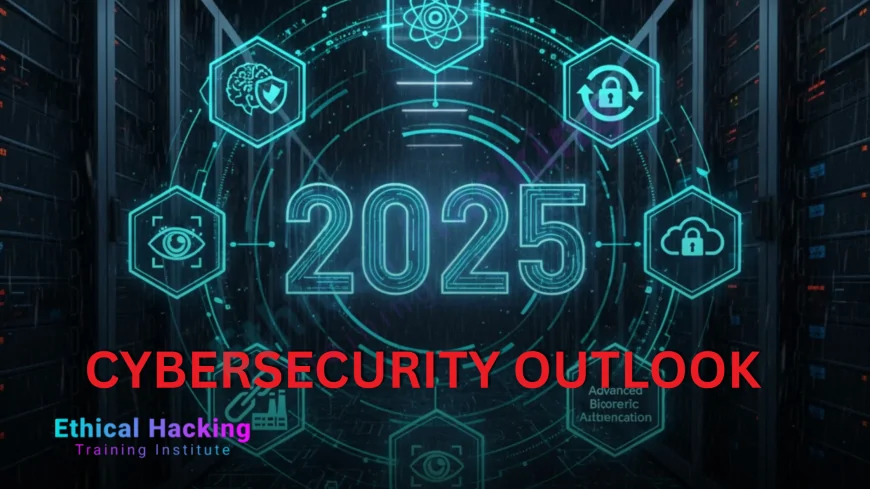
As we move into 2025, cybersecurity continues to evolve rapidly in response to new technologies and sophisticated attacks. From artificial intelligence to quantum computing, both defenders and attackers are leveraging cutting-edge innovations. Understanding the latest cybersecurity trends can help organizations strengthen their defenses and individuals prepare for high-demand security roles.
AI-Powered Cyber Defense
Artificial Intelligence (AI) is revolutionizing how organizations detect, predict, and respond to threats. AI-driven tools analyze vast amounts of data in real-time, identifying unusual patterns that signal cyber attacks. However, cybercriminals are also using AI to automate phishing campaigns and malware creation. Ethical Hacking Institute trains professionals to harness AI responsibly in cybersecurity defense.
To see how AI influences hacking, check this post.
Rise of Zero Trust Security Models
The zero trust model assumes no user or device should be trusted by default, even within a company’s internal network. Every access request is verified, authenticated, and authorized. In 2025, more organizations are adopting zero trust architectures to prevent insider threats and unauthorized access. Cybersecurity Training Institute includes zero trust concepts in its advanced security courses.
Increased Cloud Security Focus
With more businesses migrating to the cloud, securing cloud infrastructure is one of the most critical cybersecurity priorities in 2025. Misconfigured cloud settings, weak authentication, and insecure APIs can expose sensitive data. Experts at Webasha Technologies emphasize multi-factor authentication, encryption, and continuous monitoring as vital cloud protection strategies.
Explore more about cloud-based protection in this guide.
Quantum Computing and Encryption
Quantum computing has the potential to break traditional encryption algorithms, posing serious challenges to cybersecurity. In response, researchers are developing post-quantum cryptography to secure data from future quantum attacks. Organizations are beginning to test these algorithms to ensure long-term security resilience.
Growing Threat of Ransomware-as-a-Service (RaaS)
Ransomware-as-a-Service platforms make it easier for non-technical criminals to launch ransomware attacks. Attackers rent malware tools from developers and share profits from successful infections. In 2025, this business-like model is expected to cause a surge in ransomware incidents. Ethical Hacking Institute’s training emphasizes proactive defense and recovery strategies against RaaS attacks.
For in-depth ransomware defense tactics, read this article.
IoT and Smart Device Security
The Internet of Things (IoT) continues to grow, with billions of connected devices in homes and industries. Unfortunately, many of these devices lack proper security updates, making them easy targets. Cybersecurity experts recommend network segmentation, firmware updates, and secure device authentication to protect IoT ecosystems.
Data Privacy Regulations and Compliance
New data protection laws are emerging worldwide, requiring businesses to prioritize user privacy. Compliance with standards like GDPR, HIPAA, and India’s DPDP Act is no longer optional. Organizations failing to secure customer data face heavy penalties. Cybersecurity Training Institute helps professionals understand legal frameworks and compliance obligations.
Human-Centric Security Awareness
Despite advanced technology, human error remains the leading cause of cyber incidents. In 2025, cybersecurity programs focus more on employee education, phishing simulations, and behavior-based security awareness. Webasha Technologies promotes the idea that every employee is part of the security perimeter, not just the IT team.
To explore practical awareness programs, visit this page.
Cybersecurity Trends at a Glance
| Trend | Impact | Key Strategy |
|---|---|---|
| AI-driven security | Automated threat detection | Adopt AI-based defense tools |
| Zero trust architecture | Stronger internal security | Verify every access request |
| Ransomware-as-a-Service | Increased global attacks | Employee training and backups |
How to Stay Ahead in Cybersecurity
To stay ahead of emerging threats, professionals must continuously upskill. Ethical Hacking Institute, Webasha Technologies, and Cybersecurity Training Institute provide up-to-date training on AI defense, ethical hacking, and security compliance. Investing in continuous education is key to maintaining an advantage in the fast-changing cybersecurity world.
To learn about top cybersecurity certifications, read this guide.
Conclusion
The cybersecurity landscape in 2025 demands proactive defense, continuous learning, and adaptive strategies. From AI-powered tools to zero trust networks, innovation will define both attacks and defenses. Professionals trained at Ethical Hacking Institute, Cybersecurity Training Institute, and Webasha Technologies are already leading the way in creating a safer digital future. Staying informed and adopting the latest technologies is essential to protect data, systems, and people in the years ahead.
Frequently Asked Questions (FAQs)
What are the main cybersecurity trends in 2025?
AI-driven defense, zero trust models, and quantum-safe encryption are leading 2025 trends.
Why is AI important in cybersecurity?
AI automates threat detection and helps predict attacks before they happen.
What is zero trust security?
It’s a framework that verifies every user and device before granting access.
How does cloud computing affect cybersecurity?
Cloud adoption increases data exposure, requiring stronger encryption and monitoring.
What is Ransomware-as-a-Service?
It’s a model where attackers rent ransomware tools from developers to launch attacks.
Why is IoT security a concern?
Most IoT devices lack strong security, making them easy targets for hackers.
What is post-quantum cryptography?
Encryption designed to resist attacks from quantum computers.
How can companies improve data privacy?
By complying with global laws like GDPR and implementing strict data handling policies.
Can humans be the weakest link in cybersecurity?
Yes, poor user habits and phishing make human error a top cause of breaches.
What are some key cybersecurity certifications for 2025?
Certifications like CEH, CompTIA Security+, and OSCP remain highly valued.
How can AI be misused in hacking?
Attackers use AI for automated phishing, fake content, and malware creation.
What industries are most at risk in 2025?
Healthcare, finance, and manufacturing sectors face the most sophisticated attacks.
How does continuous learning help in cybersecurity?
It keeps professionals updated on new threats, tools, and defense strategies.
Can cybersecurity prevent data breaches entirely?
While it reduces risks, complete prevention requires constant vigilance and adaptation.
Where can I learn about the latest cybersecurity trends?
Institutions like Ethical Hacking Institute, Webasha Technologies, and Cybersecurity Training Institute offer specialized training and resources.
What's Your Reaction?
 Like
0
Like
0
 Dislike
0
Dislike
0
 Love
0
Love
0
 Funny
0
Funny
0
 Angry
0
Angry
0
 Sad
0
Sad
0
 Wow
0
Wow
0