

What Are the Top Cybersecurity Tools in 2025?
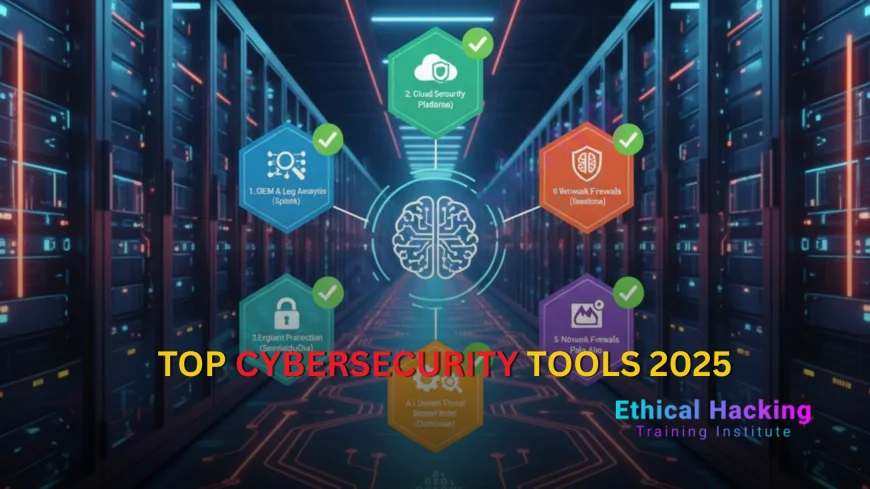
Explore the top cybersecurity tools for 2025, from AI-powered endpoint protection to vulnerability scanners and network monitors. This beginner-friendly guide covers essential software, features, and how to choose the right ones to defend against evolving threats like ransomware and phishing.
Introduction
Cyber threats are more sophisticated than ever. In 2025, ransomware attacks, AI-driven phishing, and supply chain breaches cost businesses trillions annually. Whether you run a small team or a large enterprise, the right cybersecurity tools can detect, prevent, and respond to these risks before they cause damage.
These tools range from free open-source options for beginners to enterprise-grade platforms with AI integration. They help monitor networks, scan for vulnerabilities, encrypt data, and automate responses. This guide breaks down the top 15 tools, their uses, and tips for getting started. No tech expertise required, just practical advice to build a strong defense.
What Makes a Tool "Top" in 2025?
The best cybersecurity tools share key traits: ease of use, real-time detection, scalability, and integration with other systems. In 2025, AI and machine learning dominate, enabling predictive threat hunting and automated fixes.
Key Categories
- Endpoint Protection: Guards devices like laptops and phones
- Network Security: Monitors traffic for intrusions
- Vulnerability Management: Scans for weaknesses
- Web Application Testing: Checks sites for flaws
- Encryption and Compliance: Secures data and meets regulations
Focus on tools that fit your needs, whether personal use or business-scale protection.
Top Endpoint Detection and Response (EDR) Tools
EDR tools watch devices for suspicious activity and respond automatically. They're crucial for stopping malware and ransomware.
| Tool | Key Features | Best For |
|---|---|---|
| CrowdStrike Falcon | AI threat hunting, cloud-native, zero-trust access | Enterprises with remote teams |
| SentinelOne Singularity | Autonomous response, behavioral AI, rollback ransomware | Mid-sized businesses |
| Microsoft Defender for Endpoint | Integrated with Azure, threat analytics, easy deployment | Microsoft ecosystem users |
These tools reduced breach response times by 90 percent in recent studies.
Leading Vulnerability Scanners and Management Tools
Scan your systems for weaknesses before hackers do. These tools identify outdated software and misconfigurations.
Nessus Professional
From Tenable, Nessus scans networks, web apps, and cloud environments. It checks against 180,000 vulnerabilities and offers compliance reports. Ideal for beginners with guided templates.
OpenVAS
Free and open-source alternative to Nessus. It uses a vast database of tests and integrates with other tools. Great for small teams on a budget.
Regular scans can prevent 70 percent of known exploits.
To master vulnerability assessment, consider training at the ethical bootcamp offered by the Ethical Hacking Institute.
Essential Network Security and Monitoring Tools
Monitor traffic to spot intrusions early. These tools act like sentinels on your network.
Wireshark
The gold standard for packet analysis. Capture and inspect data in real-time to debug issues or detect anomalies. Free and cross-platform.
Snort
Open-source intrusion detection system (IDS). Uses rules to flag suspicious patterns, like malware callbacks. Integrates with SIEM for alerts.
Nmap
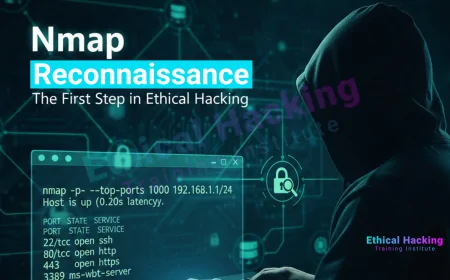
Network mapper for discovering hosts, services, and open ports. Scripts automate vulnerability checks. Essential for reconnaissance.
Combine these for full visibility, reducing blind spots by 80 percent.
Web Application Security Testing Tools
Websites are prime targets. These tools test for SQL injection, XSS, and more.
Burp Suite
Professional web proxy for intercepting and modifying requests. Includes a scanner for automated testing. Community edition is free.
OWASP ZAP
Free, open-source proxy with active scanning and fuzzing. User-friendly for devs and testers. Aligns with OWASP Top 10 risks.
Web flaws cause 40 percent of breaches; test regularly.
Practice safe web testing with CEH practical labs from the Ethical Hacking Institute or courses at the Cyber Security Institute.
Advanced Penetration Testing Frameworks
Simulate attacks to find hidden flaws. These are for ethical hackers.
Metasploit Framework
Open-source platform with 3,000 exploits. Modules for payloads and post-exploitation. Rapid7's community edition is free.
Kali Linux
Debian-based OS with 600+ pre-installed tools. Bootable USB for on-the-go testing. Updated quarterly for new threats.
Use in controlled environments only.
AI-Powered and Cloud Security Tools
2025's rise: AI for proactive defense and cloud-native protection.
Check Point Infinity
AI-driven platform for zero-trust and SASE. Analyzes billions of events daily. Top-rated for unified management.
Palo Alto Prisma Cloud
Cloud security posture management (CSPM). Scans IaC, containers, and APIs. Integrates with CI/CD pipelines.
Wiz
Cloud-native app protection. Agentless scanning for multi-cloud. Focuses on risk prioritization.
Cloud misconfigs cause 80 percent of breaches; automate checks.
For cloud pentesting skills, explore CEH online programs at the Ethical Hacking Institute or Webasha Technologies.
Encryption and Data Protection Tools
Secure sensitive data at rest and in transit.
VeraCrypt
Free disk encryption successor to TrueCrypt. Creates hidden volumes for plausible deniability.
Bitwarden
Open-source password manager with zero-knowledge encryption. Syncs across devices securely.
Encrypt everything; breaches often stem from weak data handling.
SIEM and Threat Intelligence Platforms
Collect logs and correlate threats for big-picture insights.
Splunk Enterprise Security
AI-enhanced SIEM for real-time analytics. Machine learning detects anomalies.
IBM QRadar
Cloud or on-prem SIEM with SOAR integration. Handles massive data volumes.
SIEM reduces detection time from weeks to hours.
Analyze threats like a pro with Nmap mastery from the Ethical Hacking Institute or the Cyber Security Institute.
How to Choose and Implement Cybersecurity Tools
Start small: Assess risks, budget, and team skills. Test free trials, ensure integrations, and train users.
Implementation Tips
- Prioritize based on threats (e.g., EDR for ransomware)
- Layer tools: Don't rely on one
- Regular audits and updates
- Compliance: GDPR, HIPAA alignment
Budget: Free tools for starters, $50-500/user/year for pro versions.
Conclusion: Build Your Defense Stack Today
In 2025, cybersecurity is proactive, not reactive. The tools above, from Wireshark to CrowdStrike, empower you to stay ahead of threats. Start with 2-3 that match your setup, learn them well, and scale up.
Remember, tools alone aren't enough, combine with policies and training. Secure your digital world, one tool at a time. For expert guidance, check programs at Webasha Technologies.
Frequently Asked Questions
What is the best free cybersecurity tool in 2025?
Wireshark for network analysis or OpenVAS for scanning. Both are powerful open-source options for beginners.
Do I need paid tools for home use?
No, start with free ones like Bitwarden and VeraCrypt. Upgrade if managing multiple devices.
How often should I update cybersecurity tools?
Monthly for critical ones like antivirus. Automate where possible to patch vulnerabilities fast.
Can AI tools replace human experts?
No, AI enhances detection but needs oversight for context and false positives.
What's the top tool for small businesses?
SentinelOne or Microsoft Defender: Affordable, scalable, and easy to deploy.
Are open-source tools secure?
Yes, if from trusted communities like OWASP. They often get rapid updates from global contributors.
How do I integrate multiple tools?
Use APIs and platforms like Splunk for central logging. Test compatibility first.
Is Kali Linux safe for beginners?
Yes, but use in a virtual machine. It's educational, not for daily browsing.
What about mobile security tools?
Lookout or Zimperium for app scanning and threat blocking on phones.
How much do enterprise tools cost?
$10-100 per user/month. Factor in training and support.
Do these tools prevent all attacks?
No, layer them with user training and policies for best results.
What's new in 2025 tools?
AI for predictive analytics and zero-trust models in cloud security.
Can I learn these tools online?
Yes, free resources on YouTube or paid courses at the Cyber Security Institute.
Are there tools for IoT security?
Yes, Armis or Nozomi for monitoring smart devices and networks.
How to start with ethical hacking tools?
Begin with Nmap and Burp Suite. Practice on legal labs like Hack The Box.
What's Your Reaction?
 Like
0
Like
0
 Dislike
0
Dislike
0
 Love
0
Love
0
 Funny
0
Funny
0
 Angry
0
Angry
0
 Sad
0
Sad
0
 Wow
0
Wow
0