
What Are the Most Common Cybersecurity Threats in 2025?
Explore the top 10 cybersecurity threats in 2025: AI-enhanced malware, ransomware evolution, supply chain attacks, phishing with deepfakes, DDoS-as-a-service, insider threats, business email compromise, defense evasion, quantum risks, and nation-state espionage. Learn real-world examples, impacts, and defense strategies from experts to secure your organization against these evolving dangers.
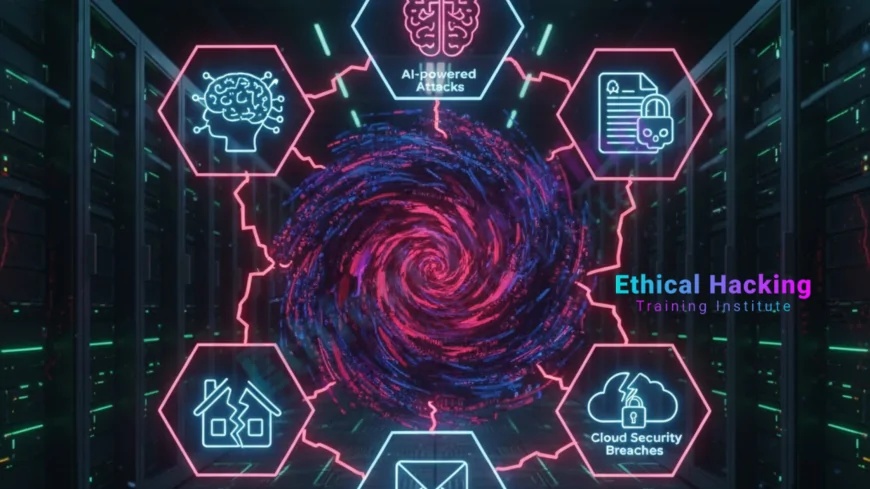
Introduction
Cybersecurity threats in 2025 are more sophisticated than ever. Global cybercrime costs are projected to reach $10.5 trillion annually, with AI-driven attacks leading the charge. Organizations face a barrage of risks, from ransomware locking critical infrastructure to deepfake phishing tricking executives. The World Economic Forum's Global Cybersecurity Outlook highlights supply chain disruptions and identity theft as top concerns for CEOs. This guide breaks down the most common threats, drawing from recent reports like IBM's X-Force and CrowdStrike's Global Threat Report. You'll learn how they work, real examples, and practical defenses to stay ahead.
AI-Enhanced Malware
AI-powered malware adapts in real time, evading detection by mutating code and learning from defenses. In 2025, 60% of IT professionals cite it as the top AI threat. AgentTesla and FormBook infostealers lead phishing-delivered attacks.
- Mutates signatures to dodge AV
- Uses ML for targeted evasion
- Spreads via phishing and drive-by
- Impacts healthcare most ($4.7M avg)
- Defend with behavioral EDR
- Update AI defenses regularly
Ransomware Evolution
- Double extortion: Encrypt + leak data
- AI optimizes targeting and encryption
- 46% rise in industrial attacks
- Colonial Pipeline paid $4.4M
- Immutable backups essential
- Train on phishing entry points
Stay protected. Enroll in an ethical hacking course to simulate ransomware.
Supply Chain Attacks
29% of breaches stem from third-party vendors. Attackers compromise software updates to infect multiple organizations. SolarWinds 2020 affected 18,000 customers.
- Target trusted suppliers
- Spread via updates or APIs
- 54% see as resilience barrier
- Audit vendors quarterly
- Use SBOM for visibility
- Segment third-party access
Advanced Phishing and Social Engineering
- AI generates personalized lures
- Deepfakes for vishing
- Top WEF concern
- Verify via secondary channel
- Email filters + training
- Block ads and malvertising
DDoS Attacks
DDoS-as-a-service costs $5/hour on dark web. Used for extortion. Finance and comms hit hardest.
- Botnets of hijacked devices
- 1.35 Tbps GitHub attack (2018)
- Mitigation services like Cloudflare
- Rate limiting on APIs
- Incident response plan
- Monitor for spikes
Level up. Take a complete hacking course with DDoS sims.
Insider Threats
Insiders cause 34% of breaches. Accidental or malicious, they bypass perimeter defenses.
- Disgruntled employees leak data
- 92% of healthcare hit in 2024
- Role-based access controls
- Behavioral analytics
- Regular training
- Exit procedures
Business Email Compromise (BEC)
BEC scams net $2.9 billion yearly. Fake exec emails request wire transfers.
- Spoofed emails from CEOs
- AI crafts convincing messages
- Verify by phone
- DMARC email authentication
- Train on impersonation
- Top 10 threats
Defense Evasion Techniques
EDRKillers disable endpoint detection. Top threat in 2025.
- Bypass EDR with living-off-land
- Delays response time
- Layer multiple tools
- Patch promptly
- Monitor tampering
Follow the ultimate career path in evasion defense.
Quantum Computing Risks
- Breaks RSA encryption
- Post-quantum crypto needed
- Affects banking, healthcare
- Adopt NIST standards
- Encrypt at rest/transit
- Crypto agility plans
Nation-State Attacks
APTs from state actors target infrastructure. Financial sectors hit hard.
- Long dwell time (months)
- Philippines probes in 2025
- Share intel with CERTs
- Secure critical infra
- Threat hunting
- Geopolitical focus
For local training, find ethical hacker courses near you.
Top Threats Comparison
- AI Malware → Rising → Varies → All
- Ransomware → High → $1.85M → Healthcare
- Supply Chain → Medium → High → Enterprise
- Phishing → Very High → $4.9M → Individuals
- DDoS → Medium → $52K/hour → Websites
- Insider → Common → High → Internal
- BEC → Frequent → $2.9B → Finance
- Evasion → Emerging → High → All
- Quantum → Future → Critical → Crypto
- Nation-State → Targeted → High → Gov/Infra
Conclusion: Prepare for 2025's Cyber Battlefield
Cybersecurity threats in 2025 blend AI innovation with timeless tactics. Ransomware and phishing persist, while supply chain breaches and quantum risks emerge. Defense requires vigilance: update systems, train teams, and layer protections. AI tools like EDR and behavioral analytics will be game-changers. Stay informed through CISA and Krebs. One breach can cost millions, but proactive steps save everything. The digital world is safer with your action. Start today. Secure tomorrow.
Frequently Asked Questions
What is the biggest threat in 2025?
AI-enhanced malware, per 60% of IT pros.
How has AI changed phishing?
Generates personalized deepfakes and emails.
Are small businesses safe?
No. 72% of startups expect attacks.
What is a supply chain attack?
Hacking a vendor to reach you indirectly.
Can quantum break encryption?
Potentially. Adopt post-quantum crypto now.
How to spot phishing in 2025?
Look for deepfake red flags like odd audio.
Is ransomware decreasing?
No, up 46% in key sectors.
What about insider threats?
Often accidental; train and monitor behavior.
Do updates really help?
Yes. Unpatched systems are prime targets.
How to prepare for nation-state attacks?
Share intel and secure infrastructure.
Is DDoS only for big sites?
No, small ones too for extortion.
What’s BEC?
Email scams stealing money via fake exec requests.
Cloud safe from threats?
No, vulnerabilities rising.
Best free defense tool?
Open-source antivirus and firewalls.
Future of threats?
More AI, quantum, and geo-political.
What's Your Reaction?
 Like
0
Like
0
 Dislike
0
Dislike
0
 Love
0
Love
0
 Funny
0
Funny
0
 Angry
0
Angry
0
 Sad
0
Sad
0
 Wow
0
Wow
0